Rebecca Disler, Natasha Smallwood, Jennifer Philip
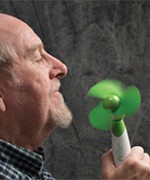
Patients with advanced respiratory disease who are in their last years of life are best managed through a holistic approach that includes addressing individual symptoms alongside underlying disease.
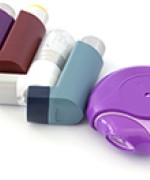
For patients living with COPD, the right choice of inhaler can help improve adherence to therapy. Patient- and device-related factors, including patient co-ordination and inhaler preference, should be considered when choosing an inhaler device.
Alexander Sweetman, Ching Li Chai-coetzer, Emer Van Ryswyk, Andrew Vakulin, Nicole Lovato, Nicholas Zwar, Stijn Soenen, R. Doug Mcevoy, Robert Adams
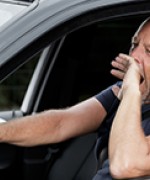
Obstructive sleep apnoea is a prevalent and debilitating condition that is frequently managed by GPs. Awareness of the large variability in presenting symptoms, standardised screening tools, sleep study referral options and evidence-based management approaches is important.
Taking an environmental history is a simple and effective tool to help identify and manage environmental exposures of children with respiratory symptoms.
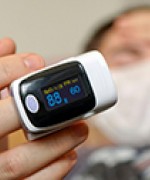
A unique presentation of minimal dyspnoea associated with profound hypoxaemia has been reported in patients with COVID-19. Patients are at risk of rapid deterioration and respiratory failure, adding to the challenge of community monitoring and management.
Anthony P. Sunjaya, Leanne M. Poulos, Helen K. Reddel, Christine R. Jenkins
A 37-year-old teacher presents with breathlessness on exertion that has been affecting her ability to exercise over the past three years. How would you investigate and manage her?