
Inducible laryngeal obstruction: a deceptive mimic of asthma, anaphylaxis and other airway disorders

Inducible laryngeal obstruction, or vocal cord dysfunction, is a common but under-recognised cause of acute breathlessness that is often mistaken for asthma or anaphylaxis. Early recognition, accurate diagnosis and multidisciplinary management are essential to prevent harm and improve outcomes for patients.
- Inducible laryngeal obstruction, or vocal cord dysfunction (ILO/VCD), is a common but under-recognised cause of acute breathlessness that mimics asthma, anaphylaxis and other airway disorders. Misdiagnosis can result in iatrogenic harm and severe impairment of quality of life.
- Key clues to the diagnosis of ILO/VCD include inspiratory breathlessness, throat tightness, voice changes and poor response to asthma therapy.
- Diagnosis requires a compatible clinical history and confirmation of inappropriate, reversible laryngeal narrowing (usually by laryngoscopy).
- Initial management focuses on breathing techniques and speech pathology-led laryngeal retraining.
- To help healthcare providers better identify and manage this disorder, an NHMRC-funded ILO/VCD toolkit is now available at www.ilovcdtoolkit.org.
Inducible laryngeal obstruction, also known as vocal cord dysfunction (ILO/VCD), is a common condition where the larynx narrows inappropriately, causing breathlessness.1 It affects people of all ages and sexes, although about two thirds of patients are female. ILO/VCD is a great mimic of other airway disorders but can be diagnosed with careful history, examination and timely investigation.
The most important function of the larynx is to protect the lower airway against aspiration or inhalation of noxious agents, which is achieved by ‘protective’ laryngeal closure. This reflex can be inappropriately activated, resulting in ILO/VCD, with other laryngeal dysfunction, including altered voice and cough, often also being seen.2,3
When ILO/VCD is severe, people may receive well-intentioned but potentially harmful interventions. For example, they may be treated with intubation (for stridor), adrenaline (for presumed anaphylaxis) or oral corticosteroids (for presumed severe asthma).
A freely available, peer-reviewed, Australia-led toolkit (www.ilovcdtoolkit.org), funded by the NHMRC, has recently been launched. This toolkit aims to equip healthcare providers with information to diagnose and manage this disorder.
How does ILO/VCD present?
In some individuals, ILO/VCD may be chronically present, with episodic flares. More often, symptoms occur in acute attacks that come on rapidly (typically within seconds). These attacks may arise spontaneously or be associated with identifiable triggers. They can be severe enough for a patient to present to an emergency department; this can occur frequently for some patients.
Commonly reported triggers for ILO/VCD include:
- strong odours and scents (e.g. perfume, cleaning products, aerosols and chemical smells)
- environmental irritants (e.g. smoke, exhaust fumes and dust)
- strong emotions (e.g. stress or anxiety)
- physical exertion
- mechanical airway stimulation (e.g. talking or shouting)
- respiratory tract infections
- changes in temperature or cold air.4
These attacks can abate rapidly (within minutes), especially if the offending trigger or stimulus is removed. Despite resolution of acute symptoms, many patients report a sense of fatigue or exhaustion that can linger in the aftermath of an ILO/VCD attack and significantly affect their wellbeing.
Triggers for ILO/VCD are more often mechanical or irritants, contrasting with the environmental allergens generally associated with asthma (e.g. pollens, moulds, house dust mite and animal dander). Laryngeal hypersensitivity, such as a sensation in the throat or an irritated tickle before coughing, may also be present, as well as voice changes during symptomatic episodes.
Some people manifest prominent dysphonia (impaired voice quality), globus (sensation of lump or tightness in the throat), a sensation of choking, throat tightness or discomfort. Changes in voice, including hoarseness or intermittent loss of voice (aphonia), may be noted during episodes.
History and examination
A thorough history is essential for diagnosis and can help differentiate ILO/VCD from other conditions, such as asthma and anaphylaxis. Patients should be asked about the timing, duration and onset of symptoms, as well as what triggers acute attacks.
Between episodes, physical examination is often normal. Voice quality and habitual throat clearing during examination may offer diagnostic clues to underlying laryngeal dysfunction. It is useful to examine the patient for chronic nasal congestion and mouth breathing.
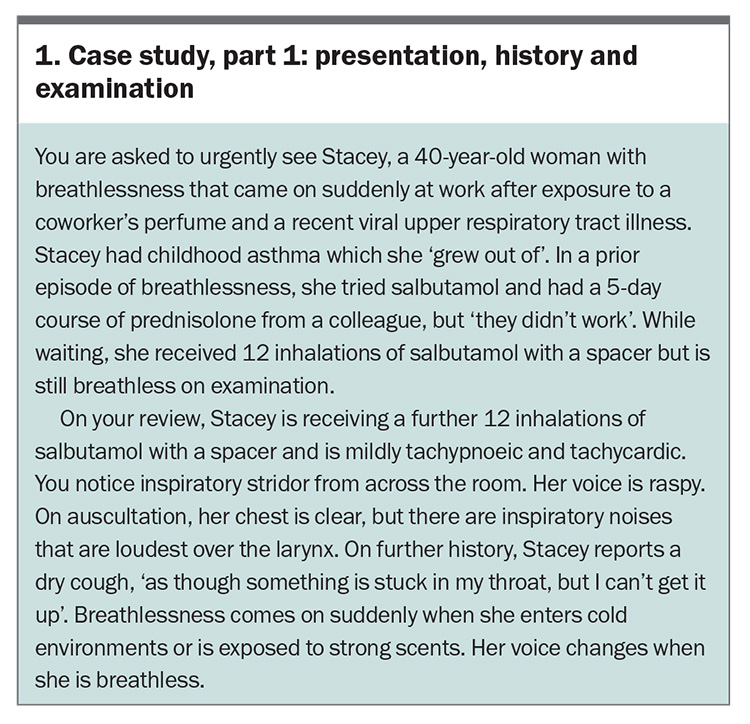
Examination during an acute attack may demonstrate audible stridor or upper airway noises, typically loudest over the throat, with an absence of expiratory lower airway wheeze (see case study in Box 1). Oxygen saturation is often normal. If a patient is intubated, pressures required for mechanical ventilation are much lower than would be expected for life-threatening asthma.
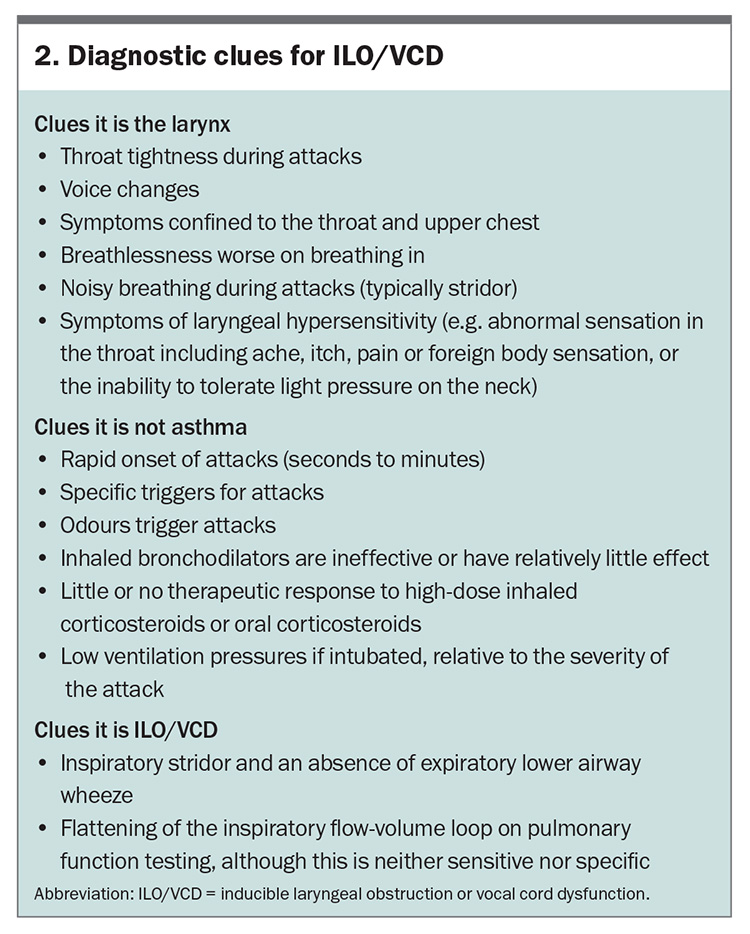
A key diagnostic clue is that asthma treatments do not improve the condition of a patient with ILO/VCD (Box 2). Other key clues include altered voice, the inability to speak when breathless and a sensation of tightness in the throat or neck.5 Breathlessness is usually worse on inspiration than expiration (although this feature is not present in all patients). The breathlessness is often unexplained by or out of proportion for other respiratory conditions, such as asthma or chronic obstructive pulmonary disease (COPD). Cough is often present but is not specific for ILO/VCD.
Phenotypes of ILO/VCD
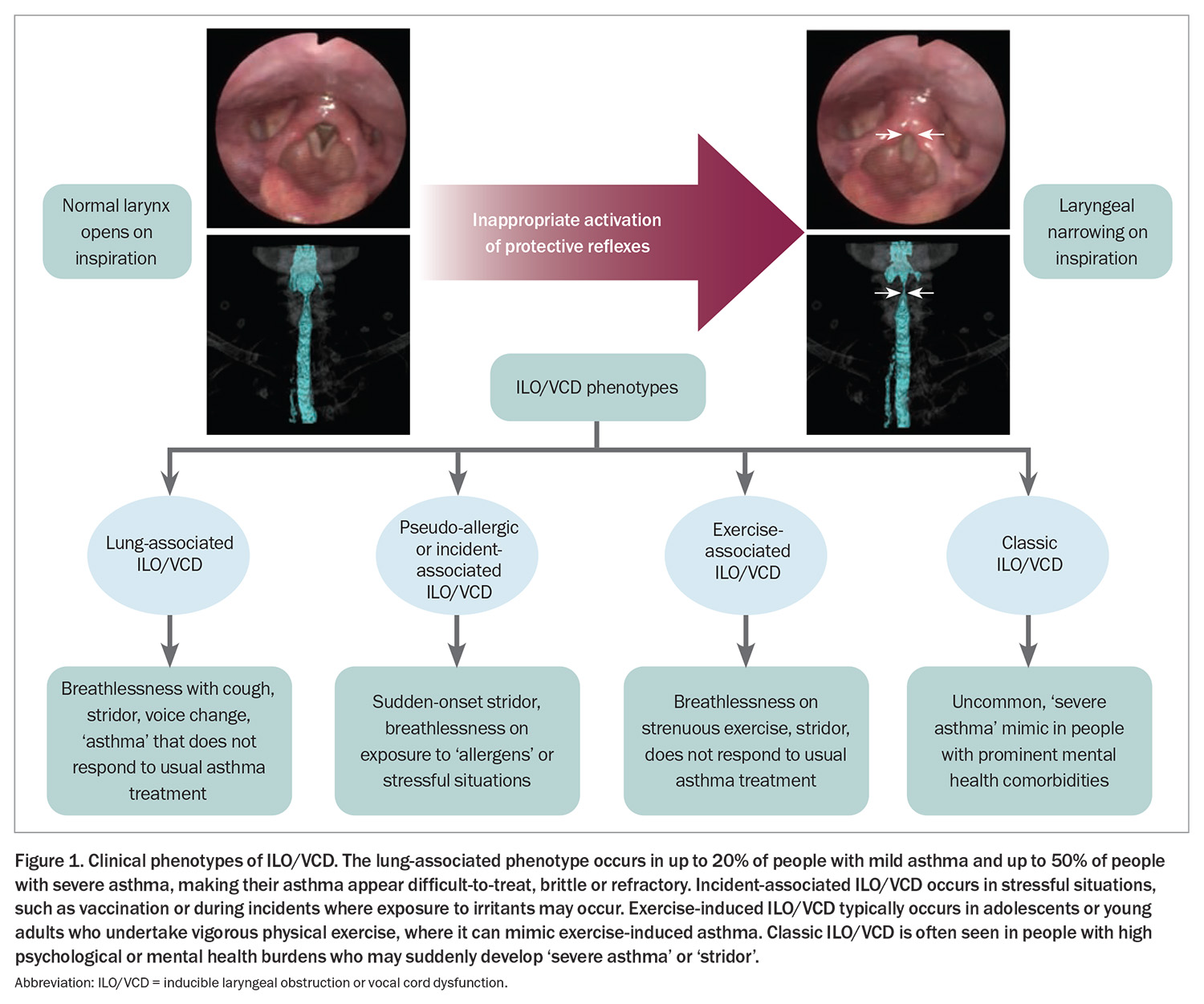
ILO/VCD can be classified into four phenotypes: lung-associated, pseudo-allergic or incident-associated, exercise-induced and classic ILO/VCD (Figure 1).6
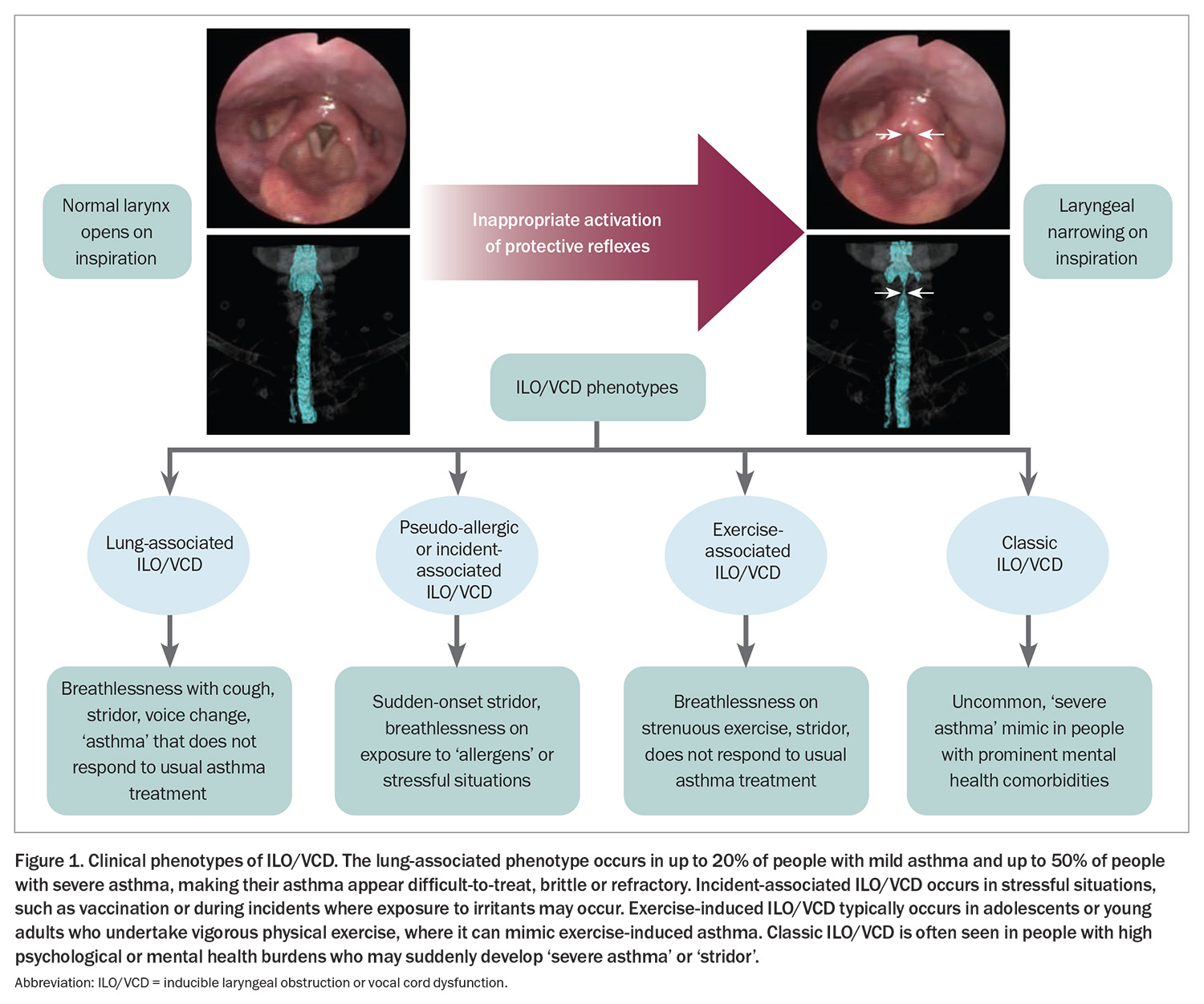
In the most common phenotype, lung-associated ILO/VCD, the cardinal symptom is breathlessness.6 Patients usually describe dyspnoea, persistent cough, wheeze (which may be more accurately labelled stridor, as it is caused by laryngeal narrowing rather than lower airway bronchoconstriction) and occasionally chest tightness. These symptoms overlap with those of asthma, so patients may have been labelled as having difficult-to-treat, brittle or refractory asthma. An emphasis on treating the supposed asthma can lead to delays in diagnosis of ILO/VCD and inappropriate treatment, such as corticosteroids and bronchodilators.
Some patients manifest so-called pseudo-allergic or incident-associated ILO/VCD.7 This is characterised by sudden onset of symptoms such as dyspnoea, a sensation of throat closure and stridor after exposure to substances perceived to be allergens, whether inhaled, ingested (e.g. food) or injected (e.g. a vaccine or antibiotic). These attacks are sometimes mistaken for acute allergic reactions or anaphylaxis.8,9 Patients may have had multiple hospital or emergency department presentations where they were treated with adrenaline or intubation without evidence of a genuine allergic process. These patients are often referred to allergists and immunologists.
Exercise-induced laryngeal obstruction is a distinct clinical entity and typically presents in younger people who engage in high levels of exercise.10 This often involves supraglottic obstruction with symptoms of acute breathlessness and throat tightness occurring at peak exercise.
Classic ILO/VCD was described in a sentinel publication in 1983 as the uncommon but striking scenario of individuals presenting with asthma-like features in the context of prominent psychological and mental health disorders.11
Diagnosis of ILO/VCD
ILO/VCD is challenging to diagnose because of its varied presentations that can be similar to those of many other respiratory and upper airway conditions, including asthma, COPD and anaphylaxis. A high index of suspicion is therefore needed. Australian data show that the mean delay to diagnosis is 5.5 years, reflecting opportunities for more rapid recognition.12
Depending on the predominant presenting symptoms and underlying ILO/VCD phenotype, patients can be seen by a range of practitioners, including primary care physicians, emergency physicians, respiratory physicians, allergists and immunologists, or ENT surgeons. In primary care, a typical patient progression might involve a patient diary to record trigger factors, consideration of treatments for rhinitis and reflux, and spirometry to assess airway diseases, before referral for laryngoscopy to achieve a definitive diagnosis.
Internationally accepted formal diagnostic criteria require a compatible clinical context (i.e. a clinical picture that is suspicious for ILO/VCD) and verification of inappropriate, transient and reversible laryngeal narrowing. The latter is usually achieved by specialists performing laryngoscopy with provocation.1 Provocation can be done in many ways but typically involves exposure to a patient’s known triggers (if feasible), odour, hyperventilation, phonation or mannitol. Demonstration of sustained laryngeal inspiratory narrowing of more than 50% (Figure 1) is diagnostic, although there is no consensus on a diagnostic threshold of duration.1 Conversely, the presence of symptoms in the absence of laryngeal narrowing excludes the diagnosis.
For exercise-induced ILO/VCD, continuous laryngoscopy during exercise involves cardiopulmonary exercise testing with a laryngoscope in situ to achieve provocation by exercise. This test requires a highly specialised setup and is not available in most centres.
Laryngoscopy can be difficult for patients to access, especially in regional and remote areas. Initiatives are underway to increase the number of Australian respiratory and allergy physicians and speech pathologists who can perform outpatient laryngoscopy.
Because of limitations in scaling these diagnostics, other modalities have been examined. The inspiratory flow-volume loop can sometimes show inspiratory flattening, but this is not sensitive or specific.13 Spirometry is important to assess for comorbid asthma or COPD. Dynamic (video) CT of the larynx has modest sensitivity (about 60%) but high specificity (greater than 90%) and could reduce the need for laryngoscopy.14
Differential diagnoses vary depending on the ILO/VCD phenotype but are mainly asthma, COPD and anaphylaxis. In patients who respond poorly to generally effective treatments for these conditions, ILO/VCD is an important diagnosis to consider and investigate. Careful history is key, and other conditions to consider are dysfunctional breathing and, rarely, subglottic or tracheal stenosis or other laryngeal diseases (including vocal fold paralysis, neurological diseases and cancer).
Comorbidities
The disorder is often associated with a range of comorbidities, such as asthma, COPD, airway disease, obesity, anxiety, gastro-oesophageal reflux disease, chronic rhinosinusitis, allergic rhinitis (postnasal drip) and obstructive sleep apnoea. Studies have detected ILO/VCD in 30 to 40% of people with asthma or COPD.15 These comorbidities should be identified and their management optimised because uncontrolled comorbidities can trigger ILO/VCD by inappropriately activating laryngeal defensive mechanisms.
Dysfunctional breathing (also known as breathing pattern disorder) is often associated with ILO/VCD.16 Observation of breathing patterns at rest for breath holding, thoracoabdominal asynchrony (unco-ordinated movement of thorax and abdomen during breathing) and hyperventilation can be useful, as can observation of head and neck posture and accessory muscle tension.
Management
Diagnostic and management pathways
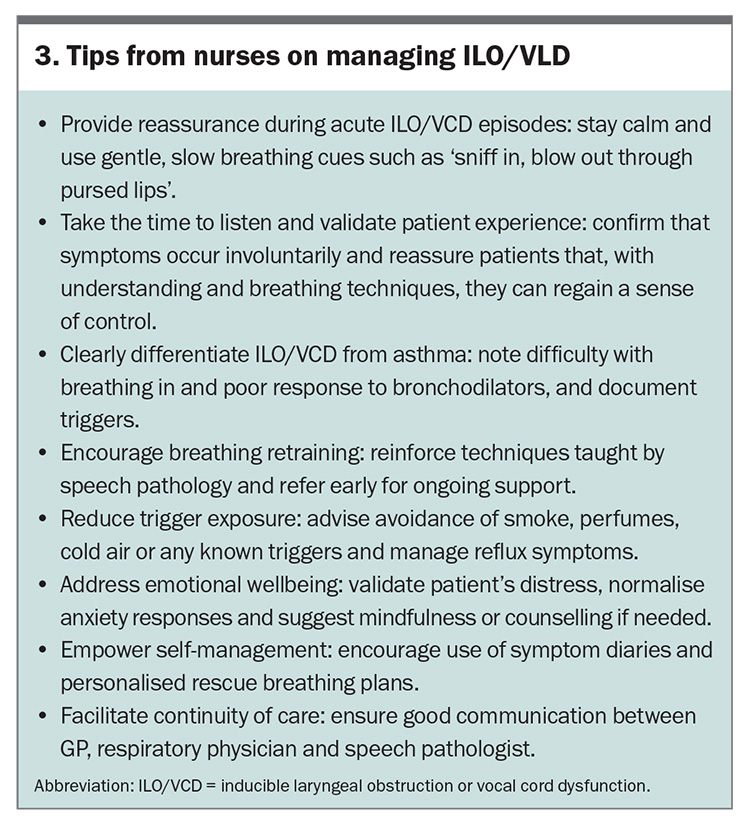
ILO/VCD is a complex disorder that benefits from multidisciplinary approaches to ensure robust diagnosis and effective management. This can involve nurses (see nursing tips in Box 3), GPs and respiratory physicians (for diagnosis of the cause of breathlessness), ENT surgeons (for diagnosis and exclusion of other disorders) and speech pathologists (for diagnosis and treatment). If mental health conditions are considered to be contributory, psychiatrists and psychologists may also be involved.
Multidisciplinary approaches have been shown to significantly reduce GP and hospital visits and oral corticosteroid prescriptions for incorrectly diagnosed asthma.17,18 ILO/VCD multidisciplinary team (MDT) meetings now operate in various formats in most major cities in Australia. A typical intake pathway begins with GP referral to a respiratory specialist, who performs initial assessment to ensure other mimics and comorbidities are thoroughly understood, then refers the patient on to an MDT clinic or other locally available MDT model of care. The MDT clinic model is only available in a handful of centres, but initiatives are underway to try to increase the number of clinics nationally and internationally. Alternative delivery models, such as telemedicine-based MDTs, offer great potential and can make a geographically dispersed MDT model feasible while retaining strong interdisciplinary collaboration.
It is anticipated that MDT demand will continue to grow as recognition of ILO/VCD increases. It is feasible for respiratory physicians to diagnose ILO/VCD in outpatient clinics, thereby enabling MDT clinics to only evaluate more complex cases, where diagnosis requires specialist assessment or continuous laryngoscopy during exercise testing.
A key priority remains GP recognition and referral, as most patients will initially present in a community health setting, have comorbidities benefiting from care co-ordination and ultimately require high-quality, holistic, comprehensive care.
Speech pathology
Speech pathology treatment is the current standard of care for ILO/VCD. Referral processes for speech pathology vary. In some regions, speech pathologists are involved in the diagnosis of ILO/VCD via laryngoscopy, either in speech pathology-led clinics or in joint clinics with a medical professional. In other regions, patients may be referred to a speech pathologist once the ILO/VCD diagnosis has been confirmed. As a minimum, patients should be evaluated by an otolaryngology or respiratory medicine specialist before speech pathology treatment to ensure that medical and surgical conditions are thoroughly evaluated. In some circumstances, it may be possible for the medical evaluation and speech pathology evaluation to occur simultaneously.
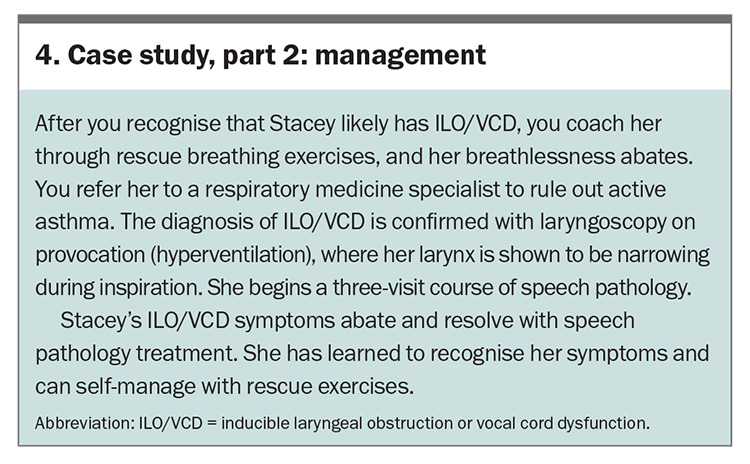
Speech pathology treatment, also known as glottal retraining therapy, laryngeal recalibration therapy or upper airway control therapy, typically involves between two and six sessions with a speech pathologist (see part 2 of the case study in Box 4). Treatment encompasses exercises to promote abduction of the vocal folds during respiration. These exercises encompass a range of breathing, voice and laryngeal deconstriction techniques. Some specialised physiotherapists also offer this therapy.
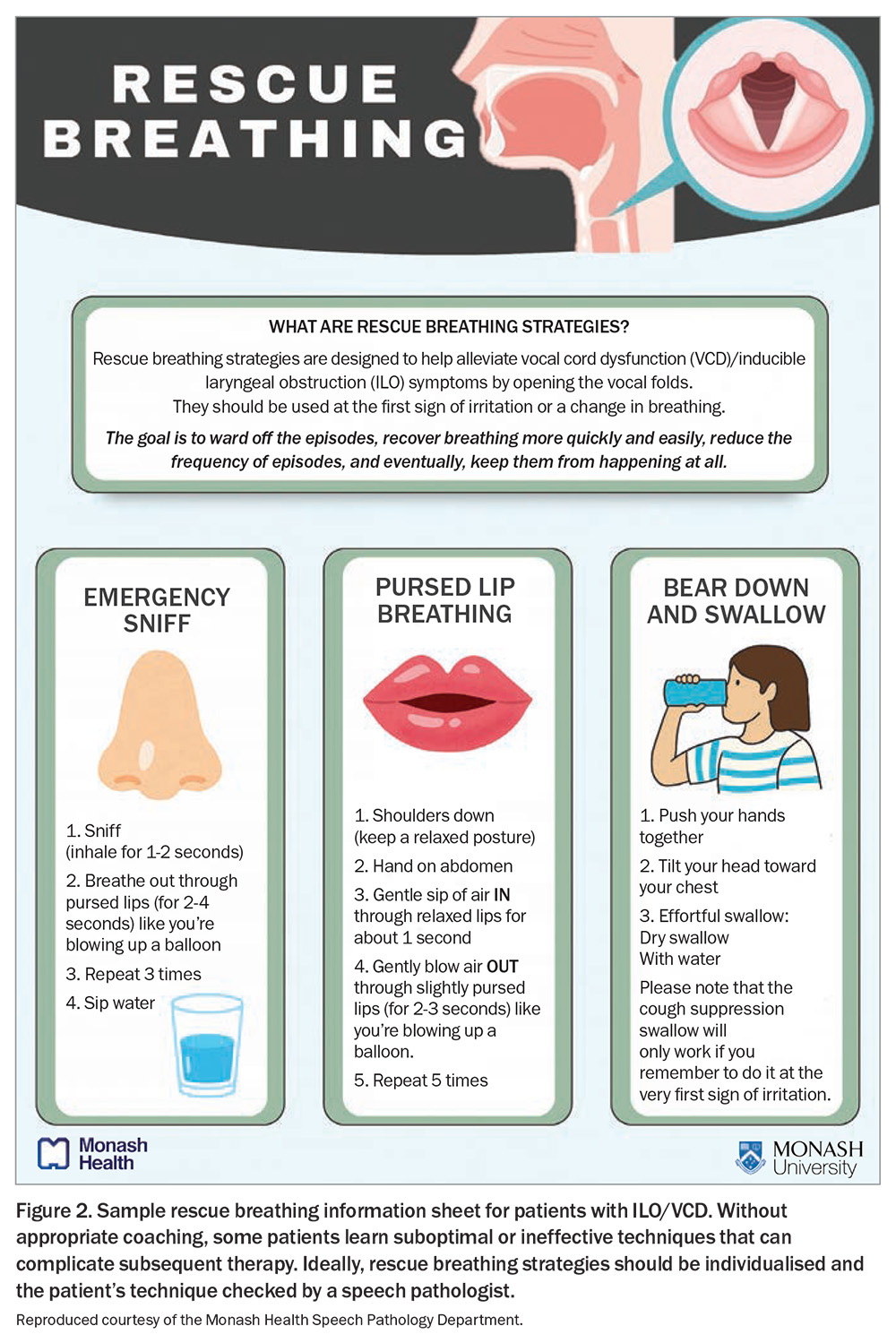
The choice of exercises is not formally prescribed and needs to be tailored to the individual (Figure 2). A primary objective of these exercises is to open the larynx during inspiration. An example is sniffing, which contracts the posterior cricoarytenoid muscle and abducts the vocal folds. This is followed by expiration, which increases oral and pharyngeal pressure and maintains vocal fold abduction during exhalation by providing positive end-expiratory pressure. In addition to promoting vocal fold abduction during respiration, the therapy establishes more efficient breathing and phonation to reduce phonotrauma and laryngeal hypersensitivity.
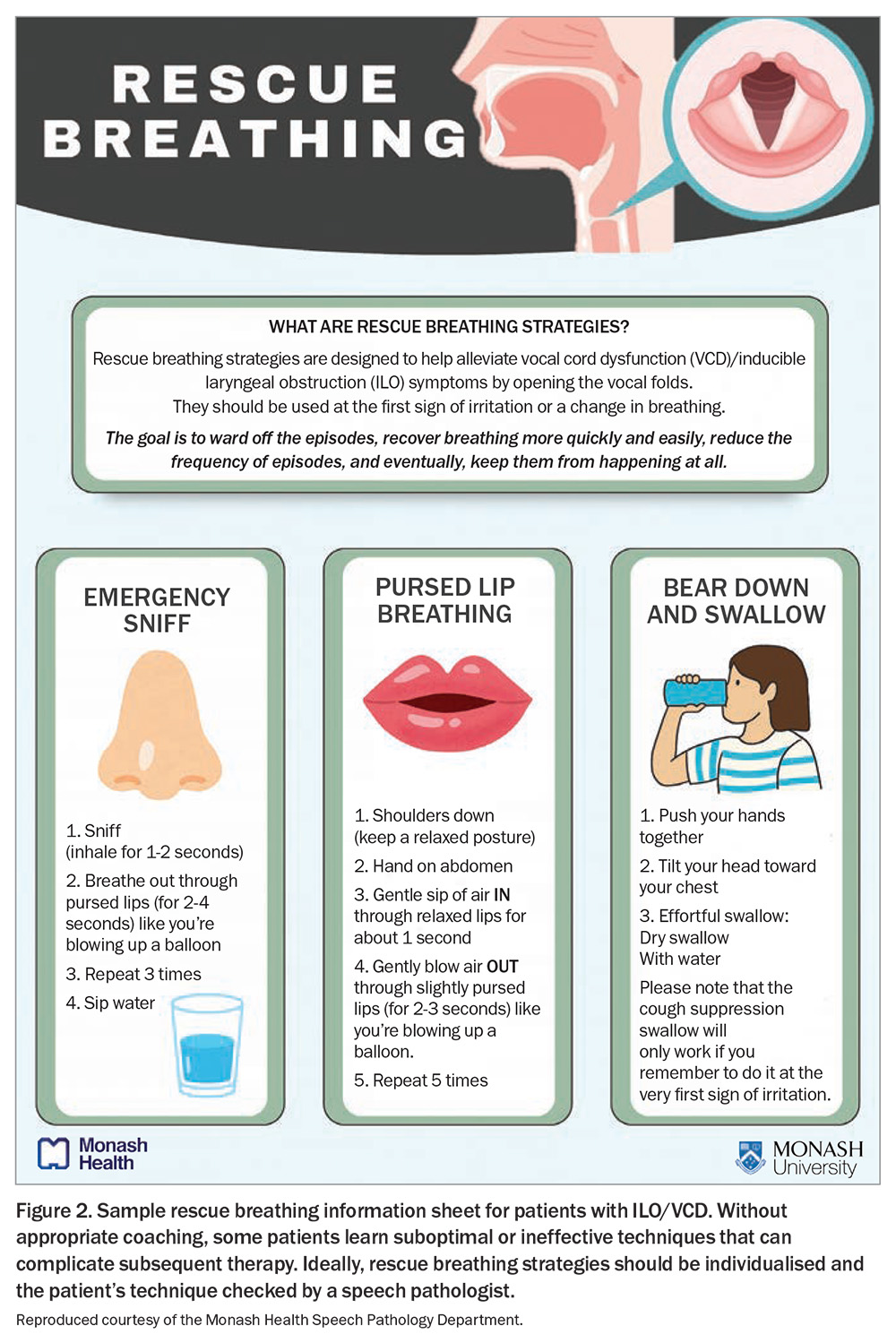
Importantly, accurate and automatic recall of the exercises requires regular practice with multiple repetitions when asymptomatic, with careful attention to correct technique. Patients are taught to recognise the sensation that precipitates an episode of ILO/VCD and use the technique to prevent or interrupt the episode. Therapy therefore requires patients to be aware of the precipitating sensation, and this awareness can vary between patients. An example of rescue breathing strategies is shown in Figure 2.
In cases where the patient has been slow to employ the technique or the ILO/VCD episode has occurred without warning, the focus is on early interruption rather than avoiding the episode. Once the exercise can be performed correctly in the clinical setting, it should be incorporated into physical activity and during graded exposure to triggers.
Follow-up speech pathology appointments are essential to support home practice and facilitate use of the exercises to prevent ILO/VCD episodes. Outcomes are better for patients who complete their therapy sessions, and it is not feasible to judge the outcome after only one or two sessions.
Treatment relies on patient adherence, and patients need to understand their condition and the rationale for treatment for the therapy to be effective. Patients may require additional psychological support. ILO/VCD episodes can be alarming for patients and onlookers, and patients may be terrified of dying during an episode. Treatment can be incorporated into other multidisciplinary treatments for related conditions, such as asthma and anaphylaxis. It is pertinent to have a management plan to guide individuals regarding the timing and frequency of exercises, medications and when to seek medical care.
Medical treatment
When speech pathology fails, botulinum toxin injection to the vocal folds (usually unilateral) can provide relief for many patients.18 This should only be done by experienced practitioners after comprehensive MDT review. In situations of severe acute breathlessness caused by ILO/VCD (e.g. in the emergency department), use of continuous positive airway pressure can be trialled. This is often effective at 10 to 15 cmH2O, but controlled studies are lacking. Use of neuromodulators (e.g. amitriptyline) and other pharmacotherapies is not supported by clinical studies.
Where other comorbidities are active, these are managed independently (e.g. an asthma exacerbation would be managed according to the Australian Asthma Handbook guidance on acute asthma, and the ILO/VCD would be separately managed).
Patient impact
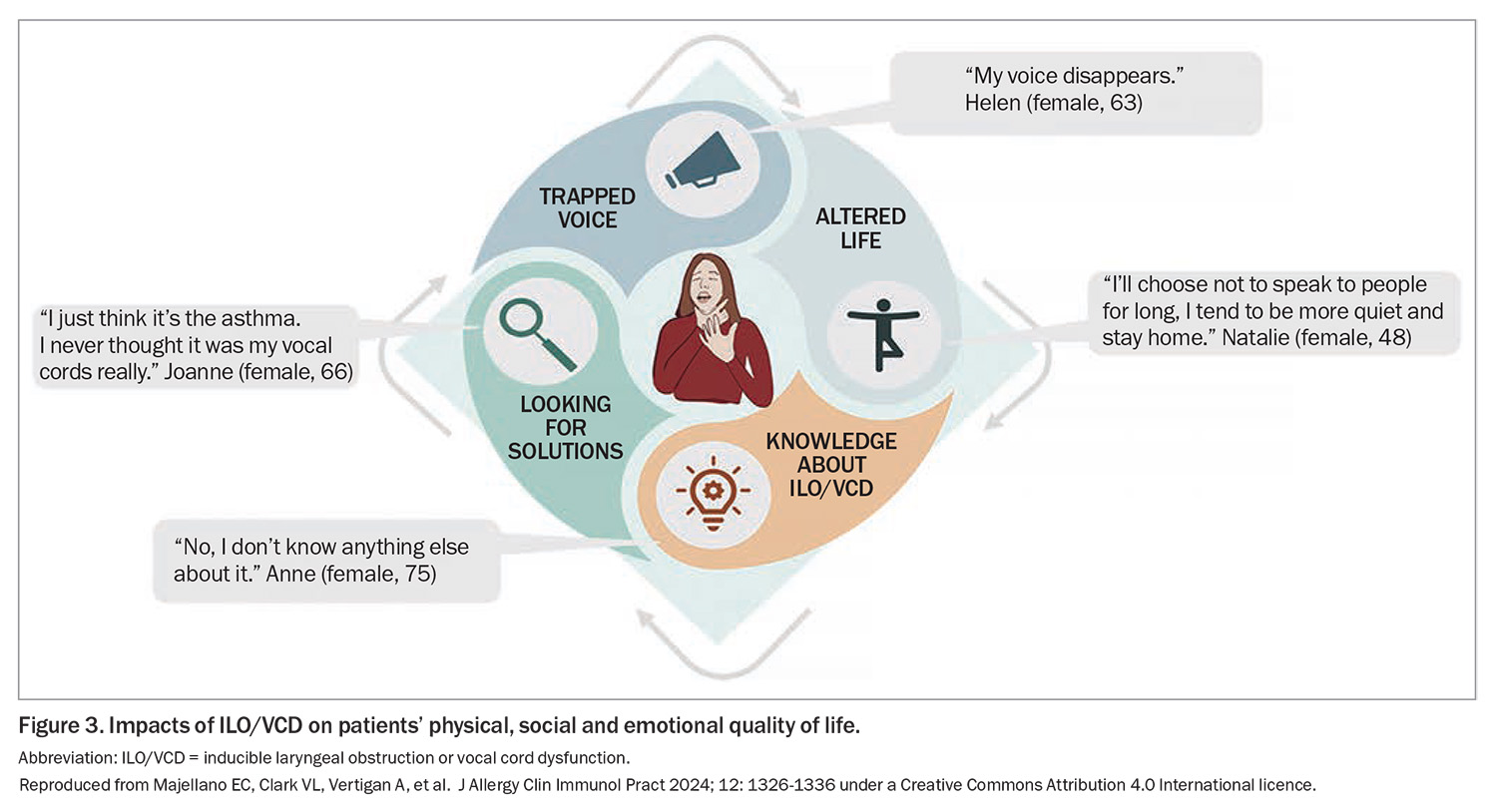
ILO/VCD can markedly impair quality of life through both its physical and emotional effects. Qualitative research shows patients report impact in four domains: looking for knowledge, looking for solutions, a ‘trapped voice’ and altered life (Figure 3).19
Looking for knowledge and solutions
Delayed diagnosis is very common, and many patients are treated for asthma or anaphylaxis for years before receiving the correct diagnosis. Asthma and anaphylaxis are often communicated to the patient as being life-threatening, so the experience of breathlessness, throat tightness, inspiratory stridor or hoarseness during an ILO/VCD episode can provoke significant fear. This anxiety is intensified when there is minimal or no response to asthma medications. Taking time to explain how ILO/VCD differs from asthma or anaphylaxis reassures patients, validates their experience and enhances their confidence in self-management.
Trapped voice and altered life
Many patients literally lose their voices or have difficulty communicating because of their altered and inconsistent voice quality. Patients often avoid exercise or outdoor physical activity for fear of triggering symptoms. Depending on individual triggers, some also avoid eating or drinking in public due to coughing fits, breathlessness or embarrassment. Participation in work, school, social activities and intimate partner relationships may be affected, further reducing quality of life.
Emotional impact
The unpredictable and sudden nature of ILO/VCD episodes can significantly affect mental health and wellbeing. Patients often report anxiety, stress or depression arising from the uncertainty of when an episode will occur. Attacks typically develop abruptly, with sensations of suffocation, panic or loss of control. These experiences can erode patients’ self-confidence and lead to social withdrawal if not addressed through accurate diagnosis, reassurance and patient education.
Conclusion
ILO/VCD is a common and impactful disorder that can severely impair quality of life, result in iatrogenic complications from well-intentioned treatment directed at incorrect diagnoses, and consume considerable healthcare resources during lengthy periods of apparently unexplained symptoms.
Diagnosis can be challenging and, depending on their phenotype or presentation, patients may see a wide variety of healthcare providers. A key clue to the diagnosis of ILO/VCD is that patients do not respond as expected to treatment given for other suspected conditions. Recognition that the clinical situation is atypical for the presumed condition combined with features of laryngeal involvement should arouse suspicion for ILO/VCD. Laryngoscopy with provocation remains the gold-standard diagnostic test, with laryngeal narrowing on inspiration when patients are symptomatic confirming the diagnosis. Gaining access to diagnostic laryngoscopy, MDT clinics and treatment can be difficult, particularly in regional and remote areas, and efforts are underway to expand their availability.
Most individuals respond well to speech pathology treatment, but the condition can relapse and re-treatment may be successful. A new, peer-reviewed Australian website (www.ilovcdtoolkit.org), funded by the NHMRC, has been launched to help healthcare providers diagnose and manage this disorder. RMT
COMPETING INTERESTS: Associate Professor Leong is a non-compensated founding Board member of the Global Initiative for Inducible Laryngeal Obstruction, a not-for-profit organisation dedicated to improving care for people with ILO/VCD. Associate Professor Lee has previously received travel and educational funding from Sanofi, Fondazione Menarini and GSK and has been on advisory boards for tezepelumab (AstraZeneca). Associate Professor Vertigan has previously received travel funding from Novartis, Sanofi and the Australian Lung Foundation and is a consultant for Carepath Technologies. Professor Bardin is a non-compensated Board member of the Global Initiative for Inducible Laryngeal Obstruction. Ms Avram: None.
References
1. Leong P, Vertigan AE, Hew M, et al. Diagnosis of vocal cord dysfunction/inducible laryngeal obstruction: an International Delphi Consensus Study. J Allergy Clin Immunol 2023; 152: 899-906.
2. Hull JH, Backer V, Gibson PG, Fowler SJ. Laryngeal dysfunction: assessment and management for the clinician. Am J Respir Crit Care Med 2016; 194: 1062-1072.
3. Vertigan AE, Kapela SM, Kearney EK, Gibson PG. Laryngeal dysfunction in cough hypersensitivity syndrome: a cross-sectional observational study. J Allergy Clin Immunol Pract 2018; 6: 2087-2095.
4. Haines J, Chua SHK, Smith J, Slinger C, Simpson AJ, Fowler SJ. Triggers of breathlessness in inducible laryngeal obstruction and asthma. Clin Exp Allergy 2020; 50: 1230-1237.
5. Morris MJ, Christopher KL. Diagnostic criteria for the classification of vocal cord dysfunction. Chest. 2010; 138: 1213-1223.
6. Leong P, Phyland DJ, Koo J, Baxter M, Bardin PG. Middle airway obstruction: phenotyping vocal cord dysfunction or inducible laryngeal obstructions. Lancet Respir Med 2022; 10: 3-5.
7. Gardner LS, Denton E, Mahoney J, et al. Significance of inducible laryngeal obstruction phenotypes identified by latent class analysis. J Allergy Clin Immunol Pract 2025; 13: 2817-2825.e2.
8. Stojanovic S, Zubrinich C, Sverrild A, et al. Laryngoscopy diagnosis of inducible laryngeal obstruction during supervised challenge for suspected anaphylaxis. Clin Exp Allergy 2022; 52: 924-928.
9. Leong P, Al-Harrasi M, Carr B, Leahy E, Bardin PG, Barnes S. Vocal cord dysfunction/inducible laryngeal obstruction(s) mimicking anaphylaxis during SARS-CoV-2 (COVID-19) vaccination. J Allergy Clin Immunol Pract 2022; 10: 1380-1381.
10. Clemm HH, Olin JT, McIntosh C, et al. Exercise-induced laryngeal obstruction (EILO) in athletes: a narrative review by a subgroup of the IOC Consensus on ‘acute respiratory illness in the athlete’. Br J Sports Med 2022; 56: 622-629.
11. Christopher KL, Wood RP, Eckert RC, Blager FB, Raney RA, Souhrada JF. Vocal-cord dysfunction presenting as asthma. N Engl J Med 1983; 308: 1566-1570.
12. Lee JW, Tay TR, Paddle P, et al. Diagnosis of concomitant inducible laryngeal obstruction and asthma. Clin Exp Allergy 2018; 48: 1622-1630.
13. Ruane LE, Leong P, Hamilton GS, et al. Poor diagnostic performance of flow volume loops (FVLs) for detection of inducible laryngeal obstruction/vocal cord dysfunction (ILO/VCD). J Allergy Clin Immunol Pract 2025; 14: 531-533.e1.
14. Koh JH, Ruane LE, Phyland D, et al. Computed tomography imaging of the larynx for diagnosis of vocal cord dysfunction. NEJM Evid 2022; 2: EVIDoa2200183.
15. Lee JH, An J, Won HK, et al. Prevalence and impact of comorbid laryngeal dysfunction in asthma: a systematic review and meta-analysis. J Allergy Clin Immunol 2020; 145: 1165-1173.
16. Lee J, Denton E, Hoy R, et al. Paradoxical vocal fold motion in difficult asthma is associated with dysfunctional breathing and preserved lung function. J Allergy Clin Immunol Pract 2020; 8: 2256-2262.
17. Fukusho R, Ruane L, Phyland D, et al. A multidisciplinary team clinic for vocal cord dysfunction reduces corticosteroid burst therapy. J Allergy Clin Immunol Pract 2022; 10: 612-614.e1.
18. Baxter M, Uddin N, Raghav S, et al. Abnormal vocal cord movement treated with botulinum toxin in patients with asthma resistant to optimised management. Respirology 2014; 19: 531-537.
19. Majellano EC, Clark VL, Vertigan A, et al. Living with asthma and vocal cord dysfunction/inducible laryngeal obstruction: "I just can’t get air in". J Allergy Clin Immunol Pract 2024; 12: 1326-1336.
Single article purchases are temporarily unavailable due to site maintenance.
If you would like to purchase an article during this time, please email us at [email protected] with the article details and we'll assist you directly. We'll also let you know when online purchasing is available again.
Thank you for your patience and understanding.