
Interstitial lung abnormality discovery: a path to early intervention for interstitial lung disease
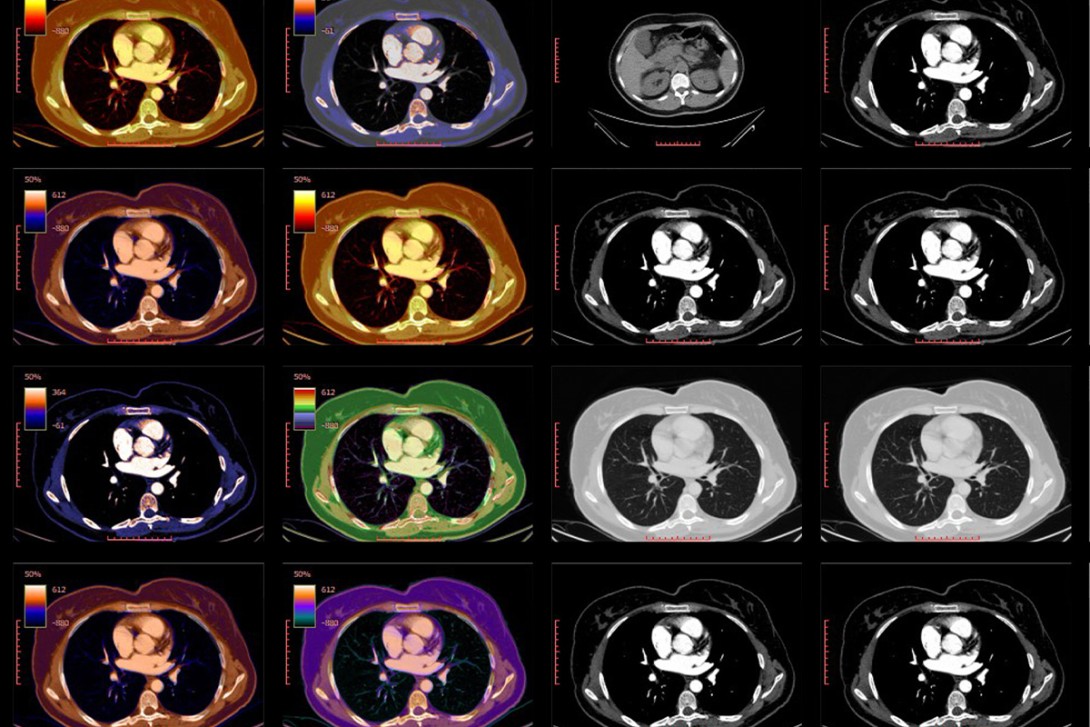
Interstitial lung abnormalities (ILAs), once regarded as incidental findings, are now recognised as early indicators of interstitial lung disease. With opportunities for detection set to rise through the National Lung Cancer Screening Program, GPs play a pivotal role in recognising ILAs, assessing risk and ensuring timely referral for specialist evaluation.
- Interstitial lung abnormalities (ILAs) are increasingly recognised as potential precursors to interstitial lung disease (ILD).
- ILAs were previously considered incidental but are now linked with progression to fibrotic ILD, an elevated risk of developing lung cancer and all-cause mortality.
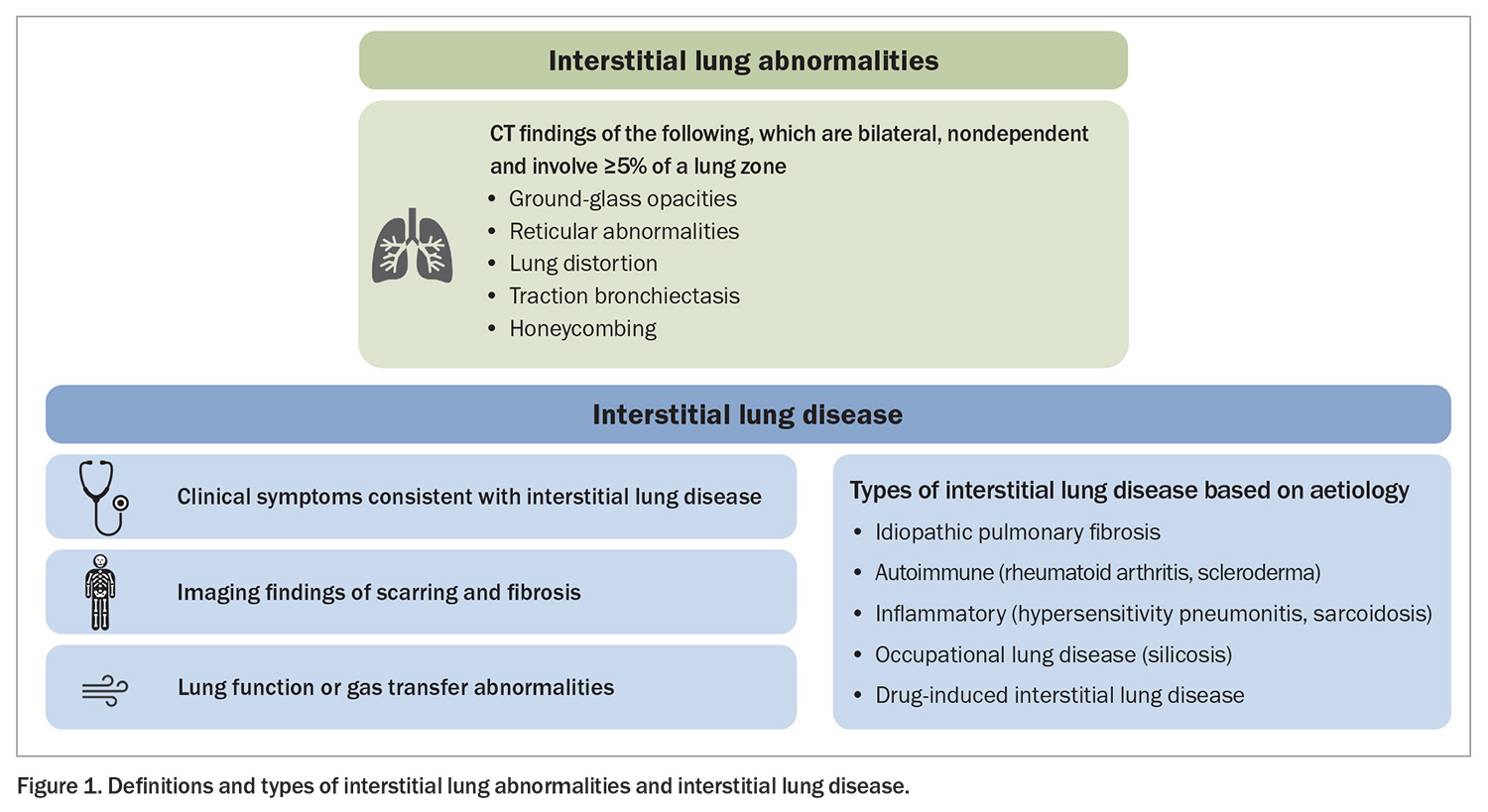
- A recent American Thoracic Society clinical statement defined ILAs as chest CT findings of bilateral and nondependent ground-glass opacities, reticular abnormalities, lung distortion, traction bronchiectasis or honeycombing involving at least 5% of a lung zone.
- The National Lung Cancer Screening Program provides new opportunities to detect ILAs in high-risk populations.
- High-resolution CT, risk stratification and symptom assessment can be used to distinguish between low- and high-risk ILAs and to guide referral.
- GPs play an important role in ensuring timely referral of high-risk patients and in supporting those under ILA surveillance or awaiting specialist review, through risk modification, patient education and monitoring progression.
Interstitial lung disease (ILD) encompasses a spectrum of disease characterised by inflammation and/or scarring of the lung interstitial tissue, leading to debilitating symptoms in progressive cases. ILD is frequently diagnosed late, as its clinical presentation and disease trajectory are highly variable. Clinical symptoms are often overlooked as they tend to overlap with symptoms associated with other conditions. Interstitial lung abnormalities (ILAs) can represent the early stages of a progressive ILD and therefore are key to early diagnosis and proactive management.
Long-term observational studies have demonstrated that radiological progression of ILAs to ILD can range between 20% over two years to 73% over five years.1,2 There is increasing recognition that ILAs are not benign findings and can be associated with poor clinical outcomes. Therefore, there is now a shift towards screening for the presence of ILAs in high-risk populations.3,4
This article outlines how GPs can identify ILAs, assess risk, monitor progression and ensure timely referral, particularly in the context of the National Lung Cancer Screening Program (NLCSP), through which ILAs will be frequently encountered. Early diagnosis is crucial to reduce symptom burden and enhance access to treatments.
The disease spectrum: from interstitial lung abnormalities to interstitial lung disease
Presentation and development
ILD refers to a group of diseases characterised by inflammation and/or scarring of the lung interstitium, leading to physiological impairment of ventilatory and diffusion capacity with consequent symptom burden and reduced exercise tolerance. ILAs represent clinically asymptomatic precursors to ILD defined solely by radiological abnormalities on imaging. Following the detection of an ILA, it is therefore important to screen for symptoms and, if necessary, evaluate lung function to avoid a delayed diagnosis of ILD.
The development of ILD is a result of several factors including patient genetics, environmental triggers and associated inflammatory or autoimmune comorbidities (Figure 1). Evaluation for these potential causes or associations forms part of a patient’s initial assessment.
Idiopathic pulmonary fibrosis
Idiopathic pulmonary fibrosis is the most aggressive form of ILD, commonly affecting individuals over the age of 60 years and leading to progressive and irreversible scarring. If left untreated, idiopathic pulmonary fibrosis is associated with a poor prognosis with a median survival of three to five years.5,6 Early detection allows for early access to antifibrotic therapies such as nintedanib and pirfenidone to slow disease progression.7 In autoimmune diseases and other inflammatory processes, immunosuppressive strategies are utilised to stem lung inflammation and prevent fibrotic sequelae.
American Thoracic Society clinical statement
The American Thoracic Society (ATS) recently issued a clinical statement that provides a new definition of ILAs and also establishes a comprehensive framework for the screening, initial evaluation and management of ILAs.3 As per the statement, ILAs are defined as chest CT findings of bilateral and nondependent ground-glass opacities, reticular abnormalities, lung distortion, traction bronchiectasis or honeycombing involving at least 5% of a lung zone. This updated definition represents a departure from the earlier Fleischner Society criteria, which specifically required that such findings be discovered incidentally and explicitly excluded patients considered to be at high risk for pulmonary disease.8 The decision of the ATS to include high-risk populations reflects a more pragmatic and inclusive clinical approach, recognising that radiologists frequently lack adequate clinical context to accurately assess a patient’s risk profile when interpreting imaging studies.
ILA detection and surveillance form an important aspect of ILD management. As such, ILAs can no longer be referred to as incidental or benign, as a significant proportion of ILAs can transform into established ILDs that confer poor clinical outcomes. In some cases, ILAs represent the uncovering of ILD and an opportunity for early investigation and therapeutic intervention.
Interstitial lung abnormalities in the National Lung Cancer Screening Program
The implementation of Australia’s NLCSP, which was launched on 1 July 2025, provides an opportunity for ILA detection. This program offers low-dose chest CT scans to individuals at high risk of lung cancer, including patients who are 50 to 70 years of age with a significant smoking history. ILAs incidentally detected on CT scans in the program, compared with nodules, represent early radiological changes that have the potential to progress to established fibrosis. Although the focus of nodule surveillance is to detect lung cancer early, detection of ILAs during lung cancer screening presents an opportunity for early identification and management of ILD. Additional findings such as ILAs have been addressed in the NLCSP Additional Findings Guidelines.9
Given the associations among ILAs and mortality, progression of disease and lung cancer risk, integrating ILA assessment into screening protocols can improve patient outcomes.4,10 ILAs detected through the program can be incidental findings on CT scans. In a retrospective CT-based lung cancer screening study involving 1699 participants, ILAs were identified in 2.4% (n = 41) of individuals; 24.4% of 41 individuals with ILAs were later diagnosed with ILD, averaging 4.5 years post-baseline scan.11 Meanwhile, a UK-based lung cancer screening pilot study identified ILAs in 4.2% (n = 78) of the cohort . New ILD diagnoses were identified in a further 1.5%, with 39% of these starting disease-modifying therapies.10 A meta-analysis demonstrated an ILA prevalence of 7% in both lung cancer screening and general population cohorts.12
ILAs have been consistently associated with all-cause mortality, progression to fibrotic ILD and an elevated risk of developing lung cancer.11,12 A large prospective study demonstrated that individuals with ILAs, particularly those with imaging patterns indicative of fibrosis, had significantly higher mortality compared with those without ILAs, even after adjustment for confounders such as smoking.13 Similarly, the presence of ILAs in lung cancer screening cohorts was correlated with a greater cumulative incidence of lung cancer.14 A meta-analysis highlighted that individuals with ILAs have at least a three-fold higher risk of developing lung cancer compared with those without ILAs, reinforcing the prognostic relevance of these findings in screening settings.15 These associations with poor prognosis underscore the clinical importance of early identification of ILAs, as they may warrant closer surveillance and earlier intervention.
Identifying interstitial lung abnormalities and interstitial lung disease
High-resolution CT
High-resolution CT (HRCT) should be considered in patients with persistent breathlessness and cough despite a normal or equivocal chest x-ray, in those with fine inspiratory crackles on auscultation or in individuals at high risk who develop new-onset respiratory symptoms.3 In the early stages of ILD, patients are often asymptomatic at rest; therefore, quantifying baseline exercise tolerance and enquiring about exertional breathlessness are critical.
Identification of interstitial lung abnormalities
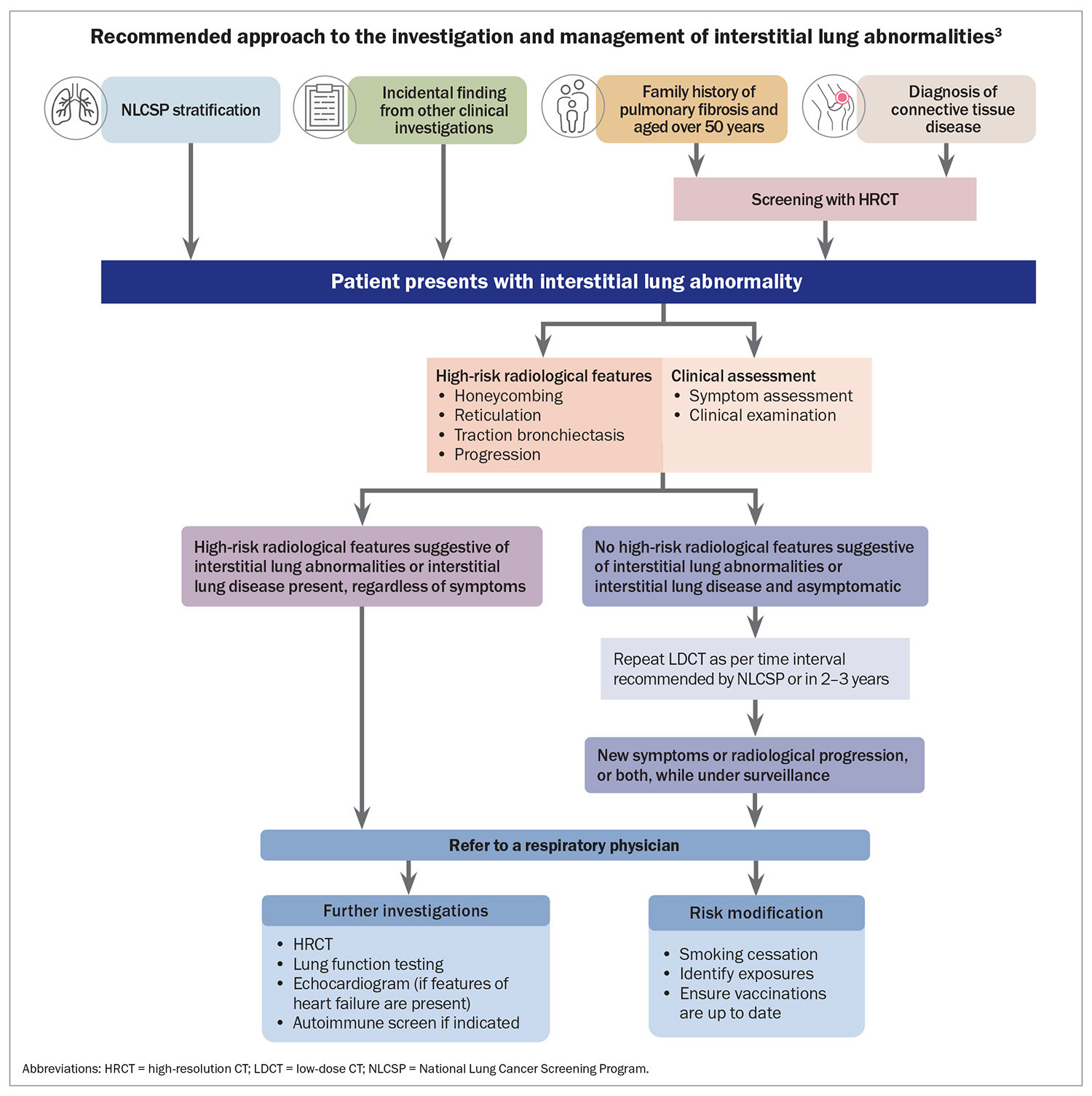
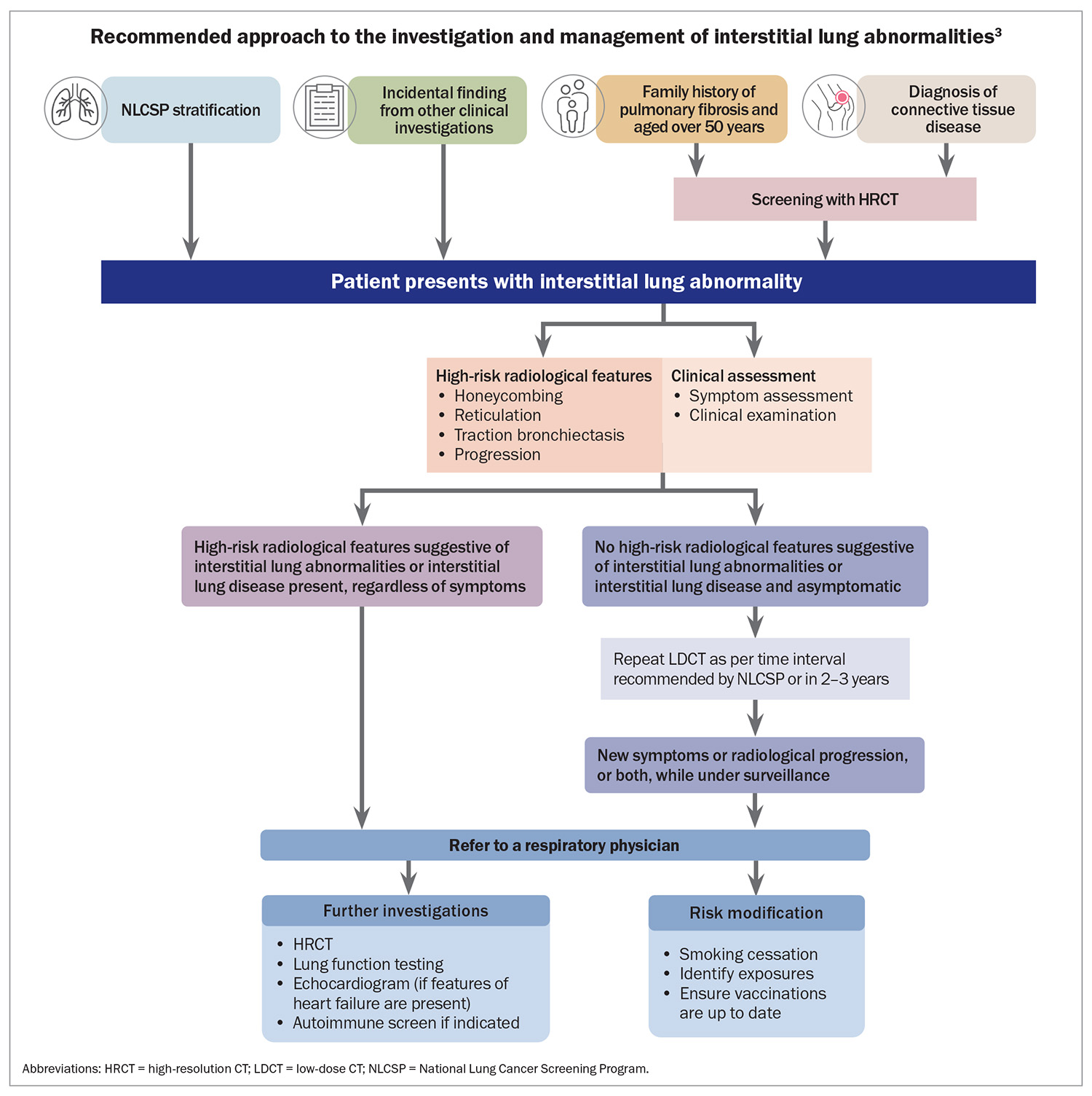
There are multiple pathways through which ILAs may be discovered, including through the new NLCSP, other investigations (e.g. cardiac CT coronary angiogram or CT abdomen) or in the context of clinical suspicion stemming from clinical history or examination (Flowchart). The new ATS clinical position statement on ILA evaluation and management also recommends screening high-risk populations, including patients with a family history of pulmonary fibrosis once over the age of 50 years and patients diagnosed with a connective tissue disease (CTD), such as rheumatoid arthritis, systemic sclerosis, polymyositis, dermatomyositis, antisynthetase syndrome, mixed CTD, Sjögren’s disease, undifferentiated CTD or overlap syndrome.3
Additional findings guidelines
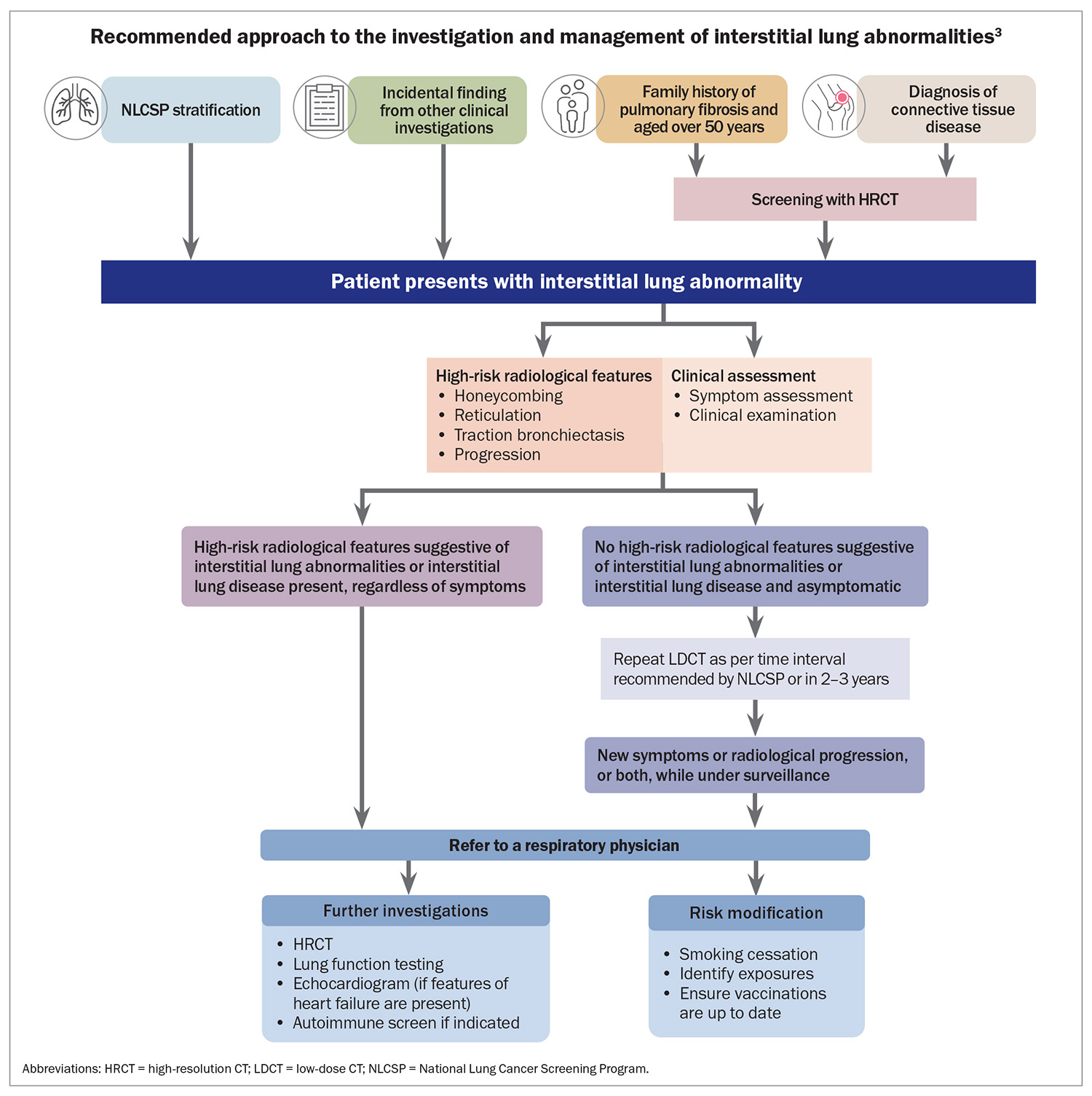
In the context of ILAs discovered through the NLCSP, the Additional Findings Guidelines define high-risk radiological features and provide guidance on management.9 From existing evidence and expert opinion from the Thoracic Society of Australia and New Zealand and the Australia and New Zealand Society of Thoracic Radiology, the guidelines recommend that ILAs with high-risk radiological features including honeycombing, reticulation, traction bronchiectasis or progression require clinical review and HRCT (Flowchart).8,9,16 Meanwhile, patients found to have ILAs without these high-risk features should undergo clinical review and be followed up with a repeat low-dose CT as recommended by the NLCSP. Radiologists reporting NLCSP scans will have access to standardised templates to report ILAs as being high or low risk and provide guidance on further management.
Risk stratification
High-risk patients
Following ILA discovery, it is important for GPs to promptly refer patients with high-risk fibrotic radiological abnormalities such as honeycombing, reticulation, traction bronchiectasis or progression to a respiratory physician. If ILAs are discovered on a low-dose CT through the NLCSP, HRCT should be ordered for further characterisation, and lung function testing can be considered in symptomatic patients. Patients with a family history of pulmonary fibrosis or a diagnosis of CTD presenting with findings of ILAs without high-risk radiological features may be considered for a repeat scan or lung function test, or both, within 12 months (Box).
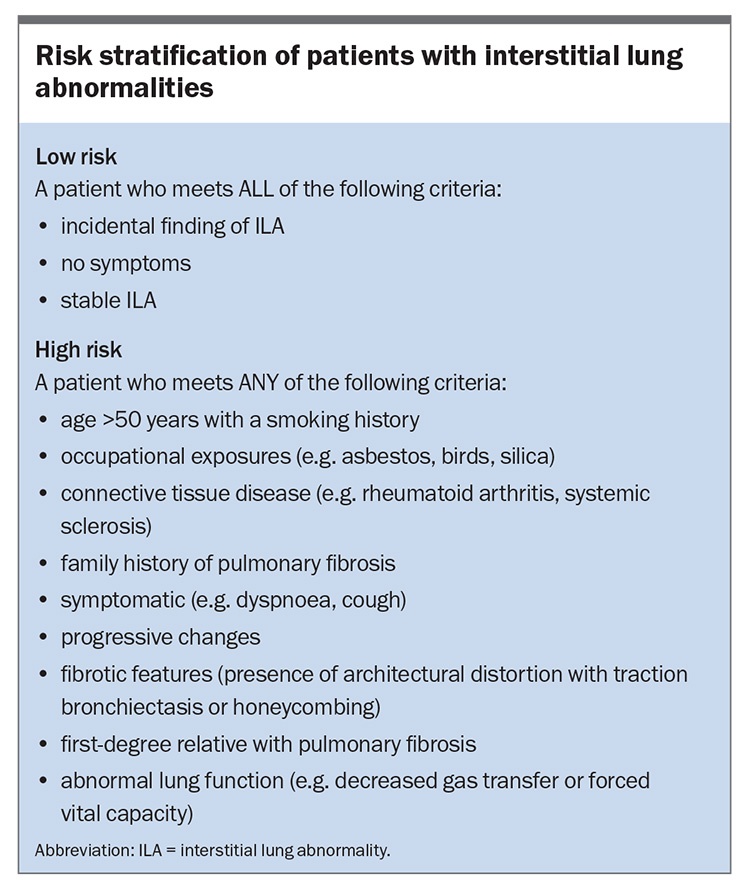
Low-risk patients
In patients who have ILAs without the aforementioned high-risk fibrotic radiological features, HRCT every two to three years would be appropriate as per the recent ATS clinical statement.3 Patients with low-risk ILAs detected through the NLCSP should undergo follow-up imaging as determined by the screening guidelines. These recommendations balance the risk of progression against the burden of overtesting, given that a significant proportion of ILAs do not progress and the rate of progression is slow overall, ranging between 20% over two years to 73% over five years.1,2
Progression while under surveillance
The success of a surveillance strategy depends heavily on close monitoring of symptoms and exercise tolerance. Along with clinical assessment, pulmonary function testing may be utilised for baseline assessment and ongoing monitoring. While under surveillance, patients with increasing symptoms or demonstrating features of radiological disease progression should be promptly referred to a respiratory specialist (Flowchart).
Interstitial lung disease
Importantly, patients meeting the diagnostic criteria for ILD (Figure 1) should also be referred to a respiratory specialist without delay. GPs should maintain a high index of suspicion for ILD in patients presenting with new or worsening respiratory symptoms such as chronic cough, exertional dyspnoea or fine inspiratory crackles on clinical examination. The key to the identification of ILD is the presence of abnormalities on HRCT. Although pulmonary function measurements, particularly forced vital capacity and gas transfer, can be reduced in ILD, they may still be within the normal range in early ILD because of the wide range of normal values.
Supported surveillance
GPs play a crucial role in supporting patients while they are under surveillance for an ILA or awaiting respiratory specialist review for a new diagnosis of ILD. Along with meticulous monitoring of clinical progression and exercise tolerance, risk modification is highly important, including assessment of occupational exposure.
Smoking cessation should be strongly encouraged where relevant, given its association with disease progression. Preventive measures, including up-to-date vaccination against influenza, pneumococcus and coronavirus disease 2019, should also be promoted. Patient education is essential during this period; clinicians can direct patients to reliable resources such as those provided by Lung Foundation Australia. Importantly, it should be clearly communicated that ILA does not indicate cancer or established ILD and is an early finding. However, ongoing monitoring is necessary. Framing the specialist referral as a precautionary and proactive measure can help reduce patient anxiety and foster engagement with surveillance.
Conclusion
As lung cancer screening becomes more widespread, GPs will encounter ILAs more frequently. ILA findings are not necessarily benign and may progress; therefore, prompt and structured follow up is required. With simple, evidence-based strategies, including the targeted use of HRCT, symptom monitoring and risk assessment, GPs can detect ILD development earlier, refer patients to appropriate specialists and ultimately improve long-term patient outcomes. RMT
COMPETING INTERESTS: Dr Shivakumar has received honoraria and support for attending meetings from Boehringer Ingelheim. Associate Professor Goh has received grants or contracts from the National Health and Medical Research Council; consulting fees, honoraria and support for attending meetings from Boehringer Ingelheim; is the Board Director and Victorian Branch President of the Transplantation Society of Australia and New Zealand; is Associate Investigator of the Centre of Research Excellence in Pulmonary Fibrosis; and is Executive of the Steering Committee of the British Thoracic Society Interstitial Lung Disease Registry. Dr Leong: None.
References
1. Putman RK, Gudmundsson G, Axelsson GT, et al. Imaging patterns are associated with interstitial lung abnormality progression and mortality. Am J Respir Crit Care Med 2019; 200: 175-183.
2. Jin GY, Lynch D, Chawla A, et al. Interstitial lung abnormalities in a CT lung cancer screening population: prevalence and progression rate. Radiology 2013; 268: 563-571.
3. Podolanczuk AJ, Hunninghake GM, Wilson KC, et al. Approach to the evaluation and management of interstitial lung abnormalities: an official American Thoracic Society clinical statement. Am J Respir Crit Care Med 2025; 211: 1132-1155.
4. Hata A, Schiebler ML, Lynch DA, Hatabu H. Interstitial lung abnormalities: state of the art. Radiology 2021; 301: 19-34.
5. Raghu G, Remy-Jardin M, Richeldi L, et al. Idiopathic pulmonary fibrosis (an update) and progressive pulmonary fibrosis in adults: an official ATS/ERS/JRS/ALAT clinical practice guideline. Am J Respir Crit Care Med 2022; 205: e18-e47.
6. Torrisi SE, Pavone M, Vancheri A, Vancheri C. When to start and when to stop antifibrotic therapies. Eur Respir Rev 2017; 26: 170053.
7. Lee CT, Hao W, Burg CA, Best J, Kolenic GE, Strek ME. The impact of antifibrotic use on long-term clinical outcomes in the pulmonary fibrosis foundationregistry. Respir Res 2024; 25: 255.
8. Hatabu H, Hunninghake GM, Richeldi L, et al.Interstitial lung abnormalities detected incidentally on CT: a Position Paper from the Fleischner Society. Lancet Respir Med 2020; 8: 726-737.
9. The Royal Australian and New Zealand College of Radiologists (RANZCR). National Lung Cancer Screening Program: Additional Findings Guidelines. Sydney: RANZCR; 2025. Available online at: https://www.ranzcr.com/college/document-library/nlcsp-additional-findings-guidelines (accessed September 2025).
10. Hewitt RJ, Bartlett EC, Ganatra R, et al. Lung cancer screening provides an opportunity for early diagnosis and treatment of interstitial lung disease. Thorax 2022; 77: 1149-1151.
11. Patel AS, Miller E, Regis SM, et al. Interstitial lung abnormalities in a large clinical lung cancer screening cohort: association with mortality and ILD diagnosis. Respir Res 2023; 24: 49.
12. Podolanczuk AJ, Johannson KA. Prevalence, risk factors, and outcomes of adult interstitial lung abnormalities: a systematic review and meta-analysis. Am J Respir Crit Care Med 2023; 208: 695-708.
13. Axelsson GT, Gudmundsson G. Interstitial lung abnormalities – current knowledge and future directions. Eur Clin Respir J 2021; 8: 1994178.
14. Axelsson GT, Putman RK, Aspelund T, et al. The associations of interstitial lung abnormalities with cancer diagnoses and mortality. Eur Respir J 2020; 56: 1902154.
15. Seok J, Park S, Yoon EC, Yoon HY. Clinical outcomes of interstitial lung abnormalities: a systematic review and meta-analysis. Sci Rep 2024; 14: 7330.
16. O’Dowd EL, Tietzova I, Bartlett E, et al. ERS/ESTS/ESTRO/ESR/ESTI/EFOMP statement on management of incidental findings from low dose CT screening for lung cancer. Eur J Cardiothorac Surg 2023; 64: ezad302.
Single article purchases are temporarily unavailable due to site maintenance.
If you would like to purchase an article during this time, please email us at [email protected] with the article details and we'll assist you directly. We'll also let you know when online purchasing is available again.
Thank you for your patience and understanding.