
COPD in Aboriginal and Torres Strait Islander Australians: a practical approach
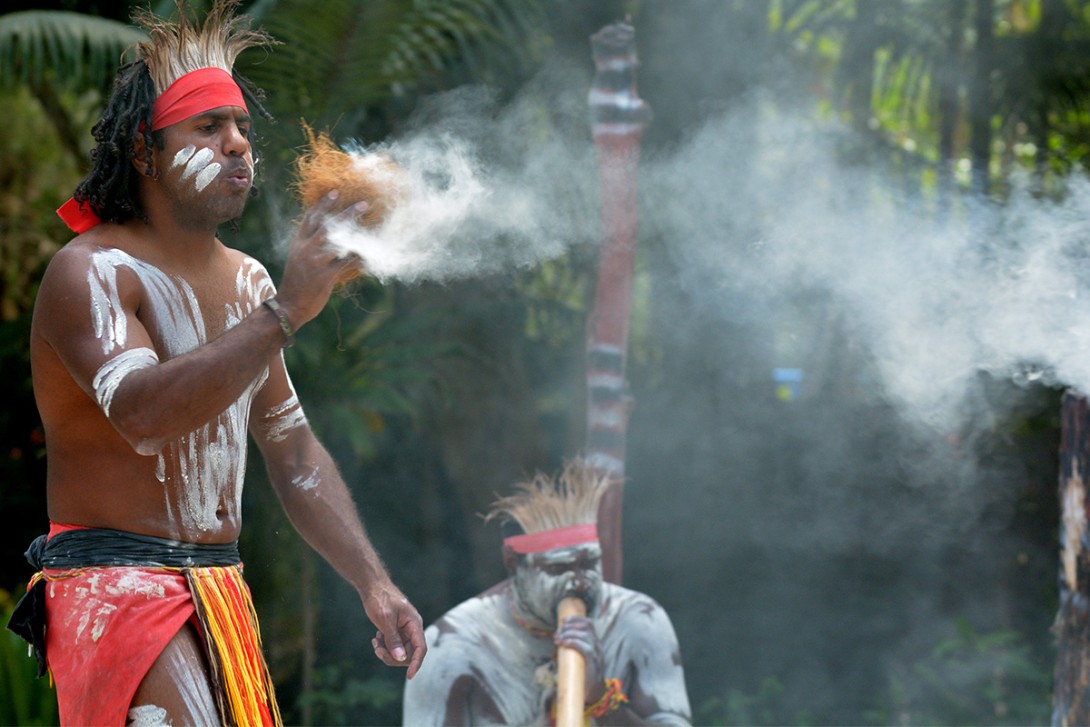
Chronic obstructive pulmonary disease (COPD) is a significant health burden among Aboriginal and Torres Strait Islander Australians, particularly those living in rural and remote communities. Culturally safe care, including the use of interpreters, Aboriginal Health Workers or Liaison Officers and community-appropriate language, is central to effective COPD assessment and management in these populations.
Note: This online article and full-text PDF (link above) contain additional material and are expanded versions of the article published in print.
- Chronic obstructive pulmonary disease (COPD) in Aboriginal people often occurs earlier, is more severe and commonly coexists with bronchiectasis and asthma.
- Tobacco smoking and environmental smoke exposure are significant contributors to COPD risk and progression.
- Current COPD guidelines overlook the sociodemographic and geographic barriers affecting Aboriginal people and are extrapolated from evidence derived from non-Aboriginal populations.
- Management is complicated by a lack of lung function reference norms in older adults and COPD severity classification criteria, differing aetiology and concurrent presence of multimorbidities.
- Key management strategies include education, smoking cessation, minimising environmental nontobacco smoke exposure, nutritional support, physical activity, pulmonary rehabilitation and vaccination.
- Inhaled corticosteroids should be reserved for those with COPD and asthma features, significant bronchodilator response, frequent exacerbations or elevated blood eosinophil counts alongside airway disease.
Chronic obstructive pulmonary disease (COPD) is reported to affect 5% of the global population, causing 3.5 million deaths in 2021, and is predicted to become the third-leading cause of death worldwide by 2030.1 In Australia, the prevalence of COPD is estimated to be 8% for people aged 40 years and older and about 30% for people aged 75 years and older, and it is the fifth-leading cause of death.2,3 Moreover, the prevalence is estimated to be 2.5 times higher among Aboriginal and Torres Strait Islander people or those of First Nations descent (henceforth, respectfully represented as Aboriginal) than among the non-Aboriginal Australian population, particularly for those residing in rural and remote Aboriginal communities.4-6
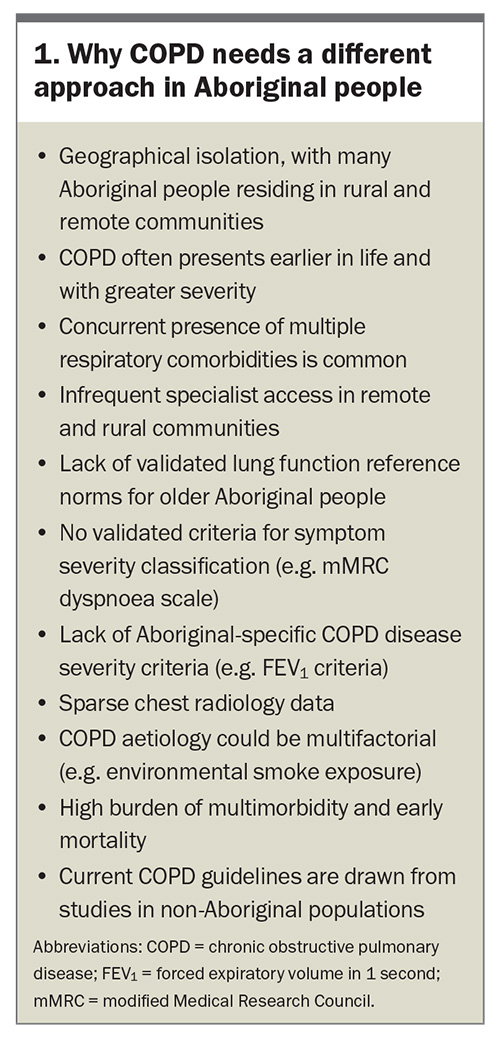
Aboriginal people face unique determinants of health inequity, including geographical isolation and remoteness, with reduced access to specialist health care. In addition to sociodemographic and geographic determinants, there are significant differences in the way chronic respiratory diseases manifest in Aboriginal people. Further, the lack of population-specific lung function reference norms for older people and COPD severity classification criteria, coupled with differing aetiologies and concurrent multimorbidity, significantly complicates the management approach for Aboriginal patients.7 Currently, most COPD guidelines are drawn from studies based on non-Aboriginal populations and this is also acknowledged in the recently updated COPD-X guidelines: ‘Our current approach to COPD diagnosis, treatment and management is based on recommendations largely drawn from non-First Nations populations. As applicability cannot be assumed, further evidence on the management and diagnosis of COPD is needed for First Nations Australians’.8 Thus, there is a crucial need for a distinctive approach to the diagnosis and management of COPD in Aboriginal people (Box 1). In this article, we propose a clinical approach tailored for adult Aboriginal Australians, particularly for those residing in rural and remote communities. This approach draws on our collective experience predominantly in the Northern Territory (NT) of Australia, where the highest proportion of Aboriginal people resides nationwide.9 These recommendations are offered as a practical resource to support clinicians working in partnership with Aboriginal communities and not to replace astute clinical judgement. Moreover, it is imperative to acknowledge that these are general guidelines only. Individual patients’ scenarios should be considered in clinical decision-making.
COPD prevalence in Aboriginal Australians
The exact prevalence of COPD across the wider Aboriginal Australian population remains uncertain. A 2023 systematic review, consisting predominantly of referred Aboriginal patients (including those from the NT), estimated an Australia-wide prevalence of 13.7%, with reported prevalence rates ranging from 3.8% to 48.9% depending on geographic location and the methodology used to assess the prevalence.10 However, this prevalence is likely an underestimate of the true disease burden, particularly in more remote communities where access to care and specialised diagnostic methods is limited.
Clinical features
COPD in the adult Aboriginal population demonstrates a slight female predominance, in contrast to non-Aboriginal populations. The mean age of presentation is about 52.5 ± 15.3 years.10 However, unlike in other populations, clinical symptoms and signs can be present at a much younger age (<40 years).10 Accordingly, early investigations and interventions should be considered in patients aged younger than 40 years if the clinical presentation is suggestive of COPD.
The coexistence of COPD with other respiratory comorbidities – most notably bronchiectasis, asthma, cystic lung disease and bronchiolitis – is highly prevalent among Aboriginal Australian patients.11-14 Hence, clinical symptoms and physical examination findings may overlap. Therefore, in day-to-day clinical practice, it is vital to differentiate the predominant condition, as it may have implications for further investigations and therapeutic interventions (Table 1).15
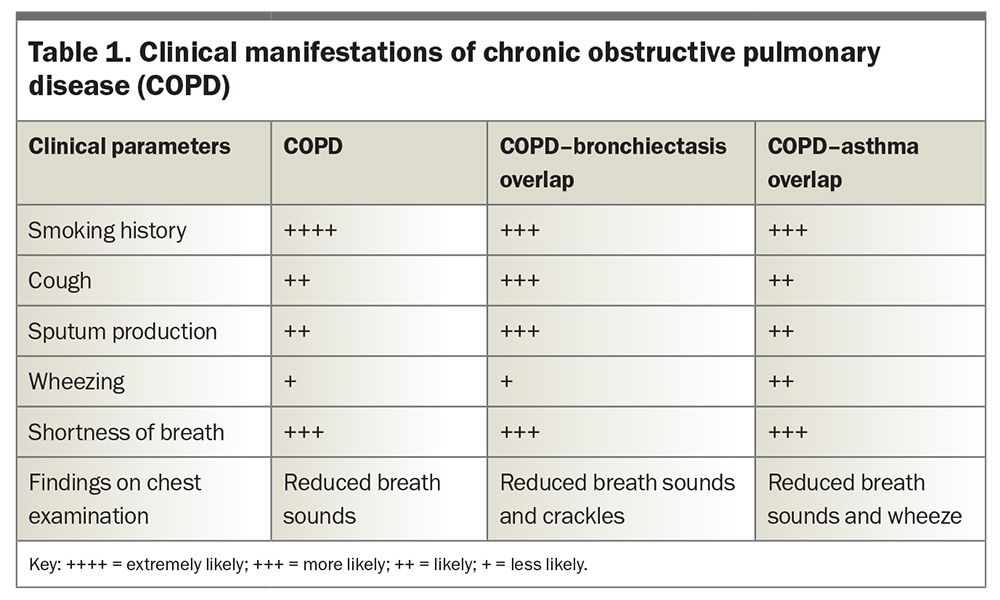
Shortness of breath is the most commonly reported symptom, followed by wheeze. However, in the presence of concurrent bronchiectasis, which is prevalent in up to 80% of Aboriginal Australian patients with COPD, and more so in rural residing patients, additional features such as persistent productive cough, large sputum volumes and haemoptysis (uncommon) may be observed.16-18 On physical examination, aside from reduced breath sounds on chest examination, coarse crackles in the presence of coexisting bronchiectasis, finger clubbing and a lower body mass index may be observed.7,14,15 The presence of multimorbidity is common, including coexisting coronary artery disease, diabetes and chronic kidney disease, which needs to be considered in the overall management.5,19 Although the modified Medical Research Council dyspnoea scale is widely accepted and could be considered in COPD assessment, there has thus far been no formal testing and validation of this scale in this population. There are concerns about the cultural relevance and effectiveness in Aboriginal people’s contexts or communities, where language, health beliefs and lived experiences differ significantly. Hence, using locally tailored and relevant terminology, such as ‘short wind’ may be more appropriate, specifically for patients residing in remote and rural Aboriginal communities.20,21
Determining the aetiology of COPD
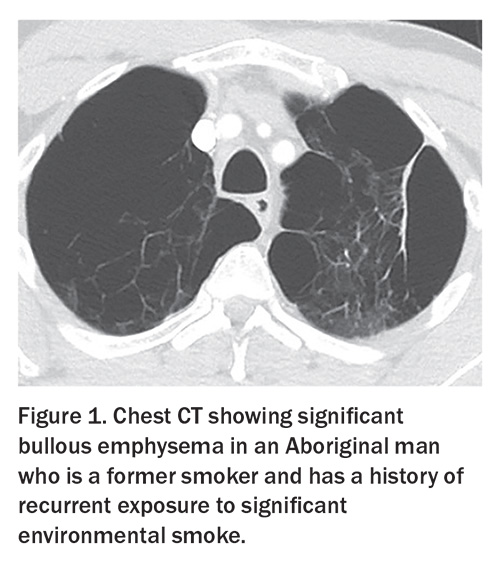
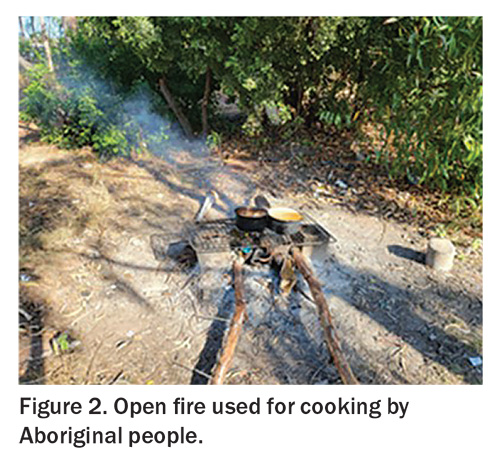
Tobacco smoke exposure remains the foremost risk factor for COPD and its progression. However, the disproportionate prevalence and severity of respiratory disease among younger people in the Aboriginal population suggests that other modifiable factors, such as environmental smoke exposure, may play a significant role (Figure 1; Figure 2). Indeed, international data show that a significant burden of chronic respiratory diseases stems from factors unrelated to tobacco smoking, with 25 to 45% of patients with COPD worldwide never having smoked.22-27 Emerging evidence identifies particulate matter from bushfire smoke and biomass combustion as a significant environmental driver of airway inflammation and accelerated lung function decline.28 Given that a greater proportion of those in remote areas live in close proximity to bushfires and engage in traditional practices, such as controlled burning, cooking and ‘fire-stick farming’ or ‘fire-hunting’, chronic exposure to these high-oxidative-stress particles may contribute to the early onset of obstructive pathology, occurring either independently of or in synergy with tobacco use.29
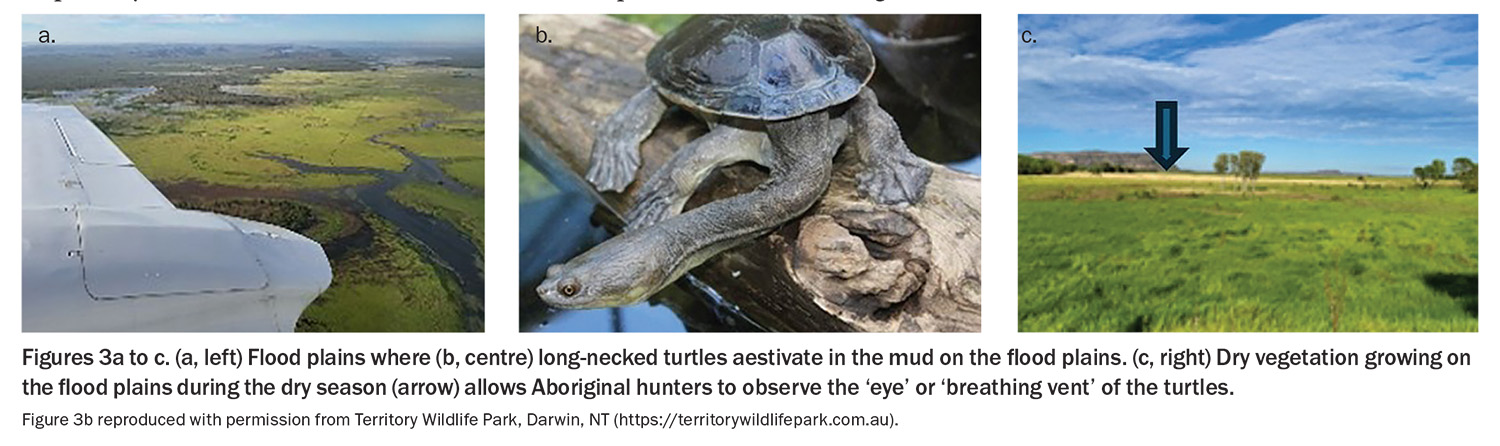
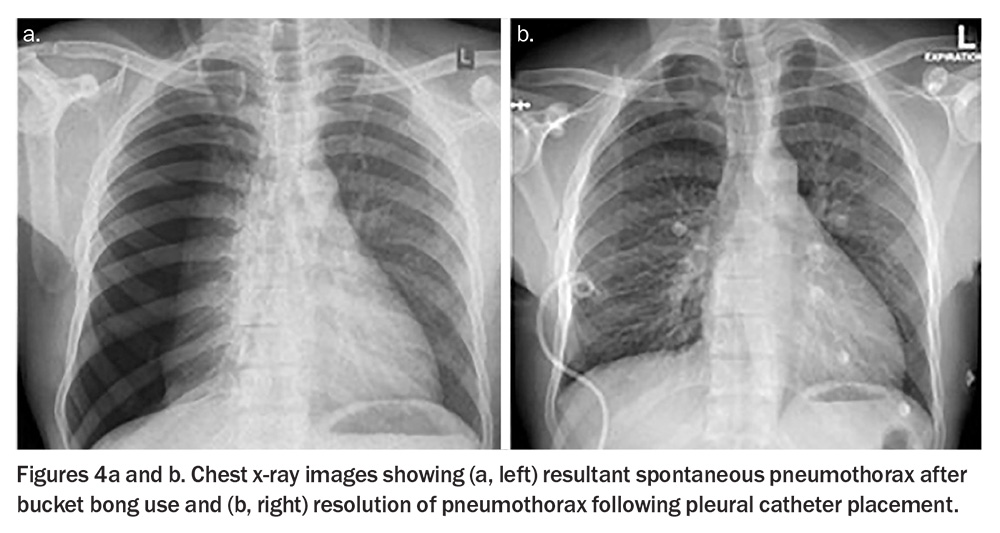
Previous reports have indicated that during periods of increased natural vegetation, bushfires are associated with increased hospital admissions for all respiratory conditions, with a larger magnitude observed among Aboriginal Australians.30,31 Moreover, a recent report highlights the effect of environmental smoke exposure while fire-hunting for mud (long-necked) turtles (Chelodina [Chelydera] rugosa) (Figures 3a, 3b and 3c).32 Further, the use of cannabis, including use via a bucket bong, is prevalent in certain Aboriginal communities, which may have a synergistic effect on COPD, including contributing to spontaneous pneumothorax in the presence of bullous emphysema, termed ‘bucket bong lung’ (Figures 4a and 4b).33
However, despite the potential contribution of other sources of environmental smoke and cannabis use, tobacco smoking continues to be portrayed as the major factor in COPD development among Aboriginal Australians. Hence, exploring the potential extent to which other factors may have an influence predisposing to COPD and progression later in life, such as environmental or industrial dust exposure, volatile substance use (e.g. petrol sniffing), pre- and perinatal influences (e.g. maternal smoking, prematurity and low birth weight), is essential.34-36 However, respecting cultural sensitivity and being nonjudgemental is important. Risk assessments that may need to be considered include:
- tobacco smoking – frequency and quantity
- cannabis and volatile substance (e.g. petrol sniffing) use – frequency and quantity
- bucket bong use and ‘bucket bong lung’ (pneumothorax or pneumonitis)
- exposure to bushfires or landscape fire smoke
- environmental and industrial dust exposure
- fire-stick farming or fire-hunting (e.g. long-necked turtle hunting)
- traditional Aboriginal cultural practices with significant smoke exposure
- cooking practice and smoke exposure.
Investigations
Investigations should be undertaken to enable early COPD diagnosis, identify the underlying cause, support ongoing monitoring and guide management during COPD exacerbations. These assessments contribute to timely and appropriate care and can be adapted based on clinical judgement and local resource availability. Factors that need to be considered when requesting investigations include:
- cost and accessibility of services in remote settings
- process of obtaining tests and patient acceptability
- clinical utility
- patient factors, such as age and comorbidities.
Chest radiology
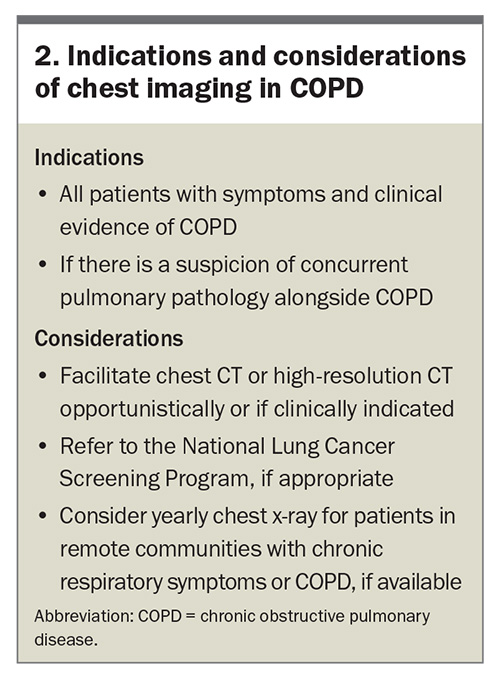
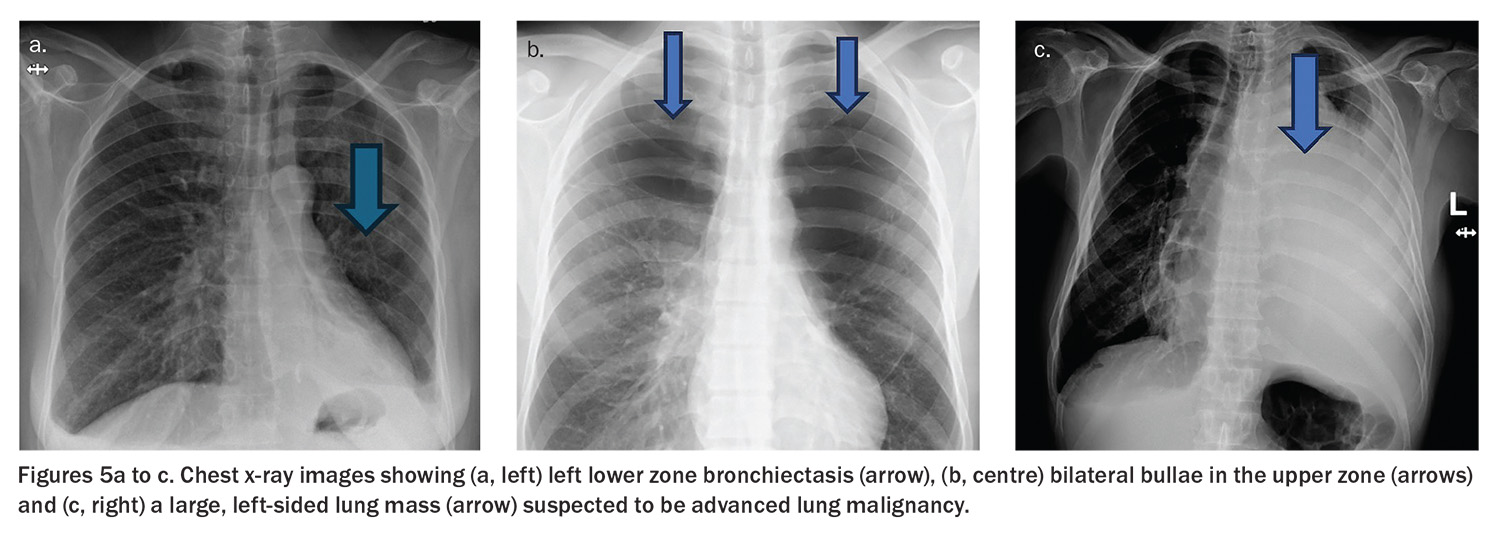
Although chest radiology is essential in the assessment of COPD, access to chest radiology for those living in certain remote communities is often limited or not feasible, particularly for chest CT scans (Box 2).24 Nonetheless, chest x-ray (CXR) facilities may still be accessible in some remote community settings. Hence, if chest CT is not feasible, a diagnosis of COPD may be supported by clinical assessment in combination with CXR.37 Moreover, CXR may aid in identifying other concurrent pulmonary abnormalities, such as bronchiectasis and bullous emphysema (Figures 5a, 5b and 5c). However, chest CT or high-resolution CT should be facilitated opportunistically if possible or if clinically indicated (e.g. suspected lung cancer).38-42 We recommend performing a yearly CXR, if available, for Aboriginal patients with chronic respiratory conditions residing in remote communities to help identify and address serious lung pathology in a timely manner.15
Lung function test
It is imperative that healthcare practitioners caring for Aboriginal people recognise that normative lung function parameters are not well established for older Aboriginal Australians. Measured lung function values are generally lower than those in their Caucasian counterparts, with additional differences noted between adult Aboriginal males and females.43,44 Moreover, the quality and repeatability of spirometry sessions frequently fall below standard acceptability criteria among Aboriginal Australians. Reasons for this may include linguistic barriers and a lack of familiarity with the procedural requirements of spirometry. Supporting this, previous research demonstrated that up to 50% of spirometry tests were deemed uninterpretable due to poor session quality, highlighting a significant challenge in obtaining reliable diagnostic data for this population.45
Furthermore, spirometry-based COPD severity classifications do not align well with currently recommended COPD guidelines in Aboriginal adults, and bronchodilator response may still be observed in patients with COPD and with other underlying pulmonary abnormalities.14,46 Factors that should be considered when interpreting lung function test results for Aboriginal adults are listed in Box 3. These factors should be carefully considered to guide clinical decision-making. Nonetheless, a combination of clinical symptoms and physical examinations, alongside spirometry and CXR, can aid in the accurate diagnosis of COPD.37 Hence, if feasible, spirometry should be considered in all patients to help establish baseline parameters and to support long-term monitoring, including demonstrating the presence of bronchodilator response. Where available and if clinically indicated, diffusion capacity for carbon monoxide and lung volume measurements via plethysmography should be considered.47
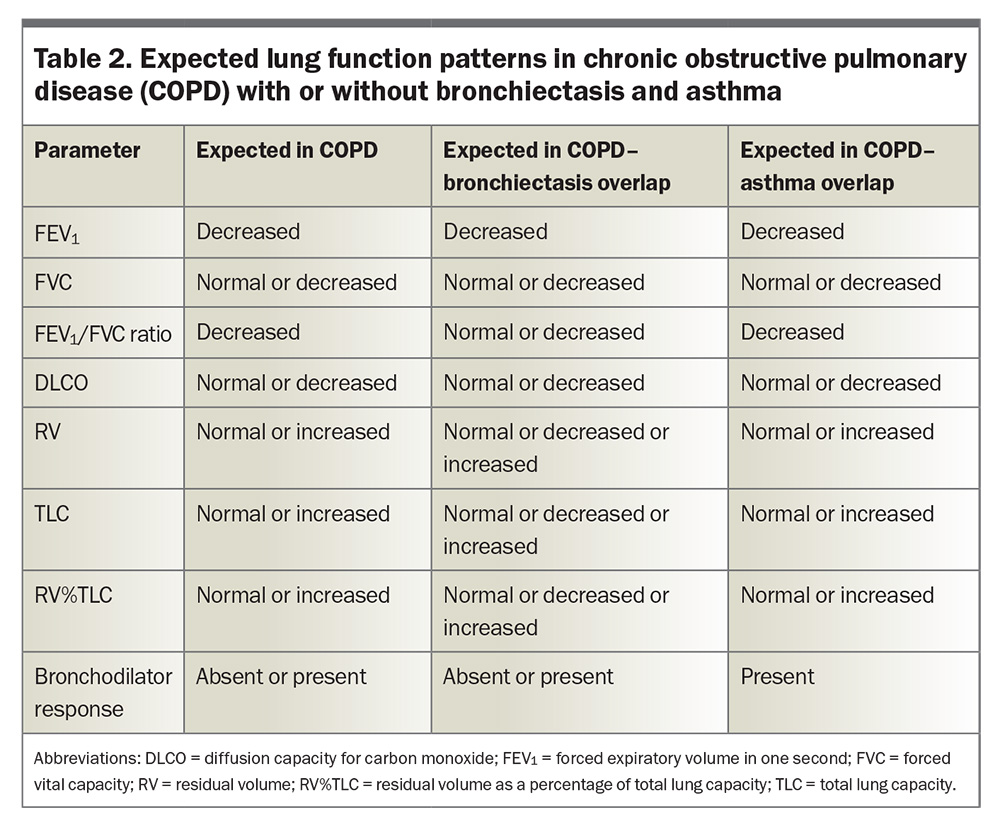
In general, Aboriginal patients with chronic lung disease tend to demonstrate a mixed or restrictive pattern.48 However, in the presence of predominant COPD, spirometry may demonstrate an obstructive pattern (low forced expiratory volume in one second and low forced expiratory volume in one second/forced vital capacity ratio) or mixed obstructive and restrictive impairment. A bronchodilator response may indicate the presence of asthma or overlap between asthma and COPD.14 As the symptoms and clinical findings of asthma, bronchiectasis and COPD demonstrate significant overlap, it is important to differentiate the predominant underlying pathology, as this could have substantial implications for therapeutic interventions, more specifically when considering airway-directed inhaled pharmacotherapy.49,50 Expected spirometry patterns in Aboriginal adults with COPD are outlined in Table 2.
Sputum examination
Sputum examination should be considered during infective exacerbations of COPD and in patients with coexisting bronchiectasis, which could help guide appropriate antimicrobial therapy. Currently, sputum microbiology data are sparse in Aboriginal patients with COPD. However, recent studies in patients with bronchiectasis have demonstrated that the most frequently identified pathogens are Haemophilus influenzae, Pseudomonas aeruginosa and non-Aspergillus fungi.51
Investigations for dyspnoea
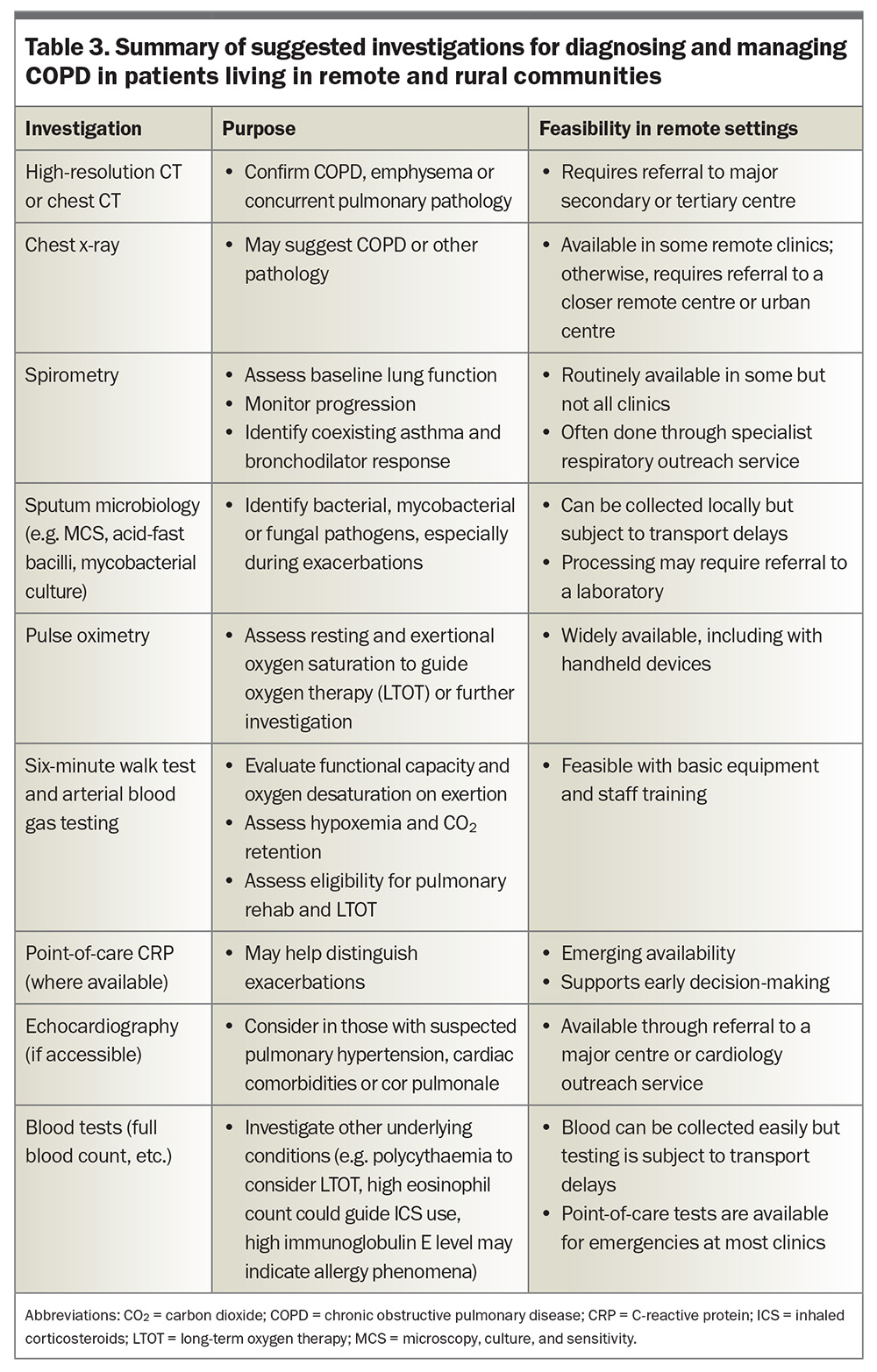
One of the most common symptoms among Aboriginal patients with COPD is shortness of breath on exercise (‘short wind’).6 However, this symptom could be multifactorial, especially in the presence of concurrent cardiac disease. Nonetheless, among patients presenting with shortness of breath, further assessment should be considered either via pulse oximetry or via a six-minute walk test (6MWT). If a patient’s resting oxygen saturation is less than 88% on room air or during a 6MWT, consider arterial blood gas testing, if feasible. In clinical settings where this test may not be available, an alternative approach is a 6MWT to assess benefit for long-term oxygen therapy (LTOT).8 A 6MWT can be easily performed by healthcare practitioners, including in remote and rural communities.52 A summary of the basic investigations that could be considered in a remote setting is shown in Table 3.
Management
A key consideration during consultations with Aboriginal patients regarding the management of COPD is that these should always be culturally safe and occur with an interpreter, if required, in their primary language and with a support person present (family member or Aboriginal Liaison Officer) or equivalent, as per the patient’s preference. This helps ensure that assessments are both linguistically accurate and culturally safe. The key principles of COPD management include:
- establishing an accurate COPD diagnosis
- being aware that established COPD guidelines may not be applicable in Aboriginal people
- utilising Aboriginal-specific educational and management resources
- preventing COPD progression
- alleviating or improving COPD symptoms
- preventing lung function decline
- reducing exacerbations and hospital admissions
- improving quality of life.
COPD education
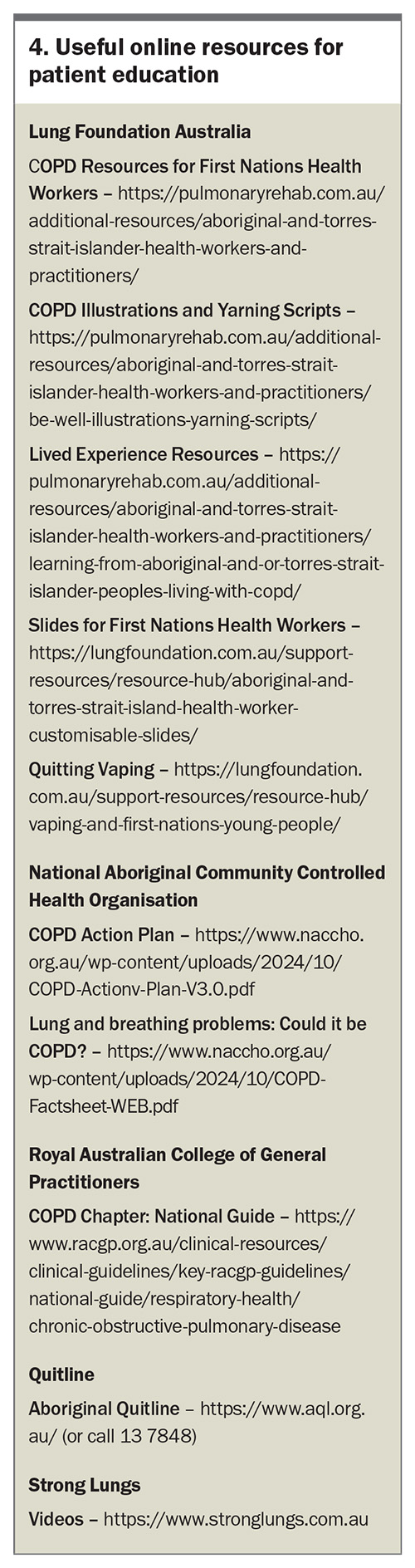
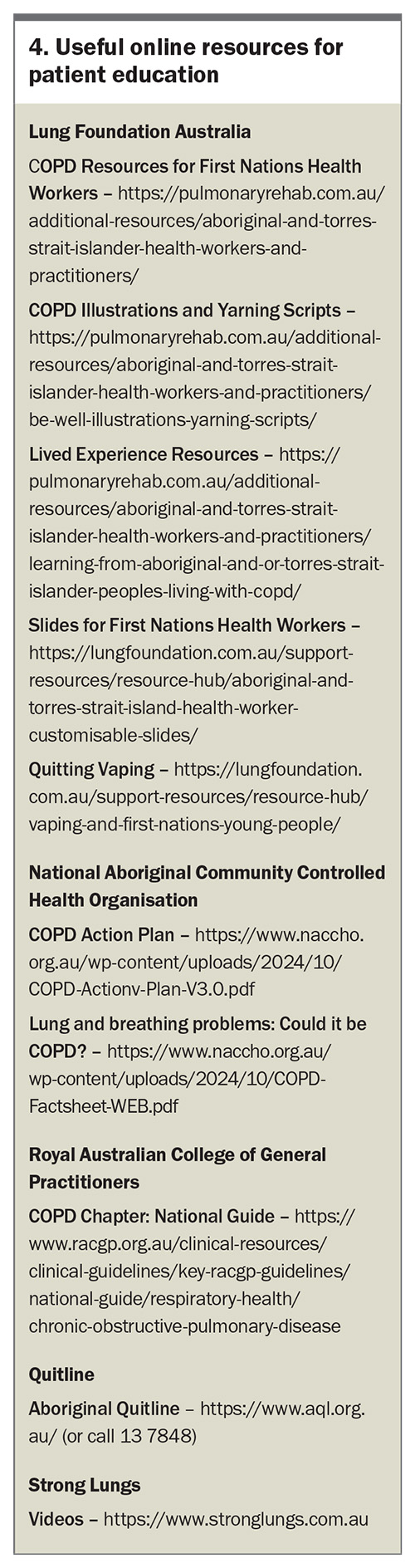
Supporting individuals and communities with accessible, culturally relevant education is central to the effective management of COPD. Strengthening knowledge about COPD empowers individuals to recognise symptoms, engage in regular self-care practices, adhere to treatment and prevent exacerbations and hospital admissions. For this purpose, graphical patient education resources specifically designed for Aboriginal people can be utilised (Box 4). By leveraging these resources, healthcare workers can enhance their outreach efforts, support community health initiatives and contribute to the overall wellbeing of Aboriginal people.53
Smoking cessation
Reducing exposure to tobacco and other forms of nontobacco smoke (e.g. cannabis, vaping, bucket bong use) is critical in the overall approach to COPD. Community-led efforts have demonstrated that culturally safe education and tailored support can successfully achieve smoking cessation. Therefore, smoking cessation assistance should be considered, including nicotine replacement and pharmacotherapy.54,55 Moreover, the use of cannabis, the ill effects of bucket bong use on the lungs and mitigating strategies to prevent direct exposure to other sources of environmental smoke need to be considered.
Nutrition assessment
Low body mass index has been identified as a marker of poor prognosis among Aboriginal patients with chronic lung disease.56 Therefore, efforts should be made to maintain an ideal body weight, including referral to a dietitian where available. Supporting good nutrition is a key component of holistic care. Adequate nutrition can strengthen immunity, improve lung function and enhance overall wellbeing. If appropriate, potential barriers to adequate nutrition should be assessed and addressed as part of comprehensive management.
Exercise and physical activity
Undertaking regular exercise and physical activity has been shown to have a positive impact on patients with COPD.8 Therefore, daily physical activities and exercise should be encouraged. Assessment of exercise tolerance, trends over time and barriers to physical activity (e.g. comorbidities, pain, mobility aids) should be considered routinely. Pulmonary rehabilitation is an evidence-based intervention that combines exercise training, education and behaviour change, and could help reduce symptoms of breathlessness, improve exercise capacity and health-related quality of life, and reduce hospital admissions.8,24 Reduced hospitalisation is a valuable outcome for Aboriginal people, as these events cause dislocation from family, community and connections to land.17 Although pulmonary rehabilitation is not yet widely available in remote Aboriginal communities, advocacy for culturally safe and community-delivered models of pulmonary rehabilitation is ongoing.57,58 In the interim, significant therapeutic value may be realised by embedding core components of pulmonary rehabilitation into routine primary care. Facilitated by primary and allied health workers, this approach should prioritise goal-directed physical activity, specialised breathing techniques and the delivery of culturally centred education. In the absence of access to pulmonary rehabilitation in remote and rural communities, online resources, such as those offered by the Australian Lung Foundation, could be utilised (Box 4).
Pharmacotherapy
Airway-directed inhaled pharmacotherapy
Currently, there are no specific inhaled pharmacotherapy guidelines for Aboriginal Australians with COPD. Moreover, the concurrent presence of bronchiectasis is seen in a significant proportion of Aboriginal patients.59 Hence, inhaled pharmacotherapy should be prescribed diligently on a case-by-case basis. In general, short-acting beta-agonists and short-acting muscarinic antagonists can be considered for short-term symptom control. For patients with symptomatic COPD, long-acting muscarinic antagonists (LAMAs) and long-acting beta-agonists (LABAs), individually or in combination, should be considered as a first-line option. It is worth emphasising that because of high concomitant cardiovascular disease in this population, caution and monitoring of cardiovascular adverse effects need to be considered for patients prescribed inhaled bronchodilator therapy.
The prescription of inhaled corticosteroids (ICS) should be approached cautiously, especially in the presence of predominant bronchiectasis over COPD. However, the use of ICS-containing inhaled therapies (e.g. ICS/LABA and ICS/LAMA/LABA) can be considered in the following cases:
- presence of COPD–asthma overlap
- spirometry demonstrating a significant bronchodilator response
- presence of high blood eosinophil count (>0.3 cells × 109/L), not secondary to parasitic infestations
- frequent COPD exacerbations.
Moreover, it may be wiser to consider initially low- or medium-potency ICS such as beclomethasone or budesonide in preference to more potent ICS such as fluticasone in patients with overlapping COPD and bronchiectasis.14,49,50 Inhaled medication use should be reviewed regularly, including inhaler technique and use with a spacer device, if appropriate.
Oral theophylline and azithromycin
There is insufficient evidence in Aboriginal people regarding the utility of long-term oral theophylline or low-dose macrolide therapy such as azithromycin. However, their utility in reducing exacerbations, minimising hospital admissions and improving lung function among patients with COPD has been shown in international studies.60-64 Although there is a lack of literature evidence in relation to oral theophylline and azithromycin in the Aboriginal population with COPD, they may play a role in the management of patients with severe COPD or who have frequent exacerbations (two to three per year). Therefore, oral long-acting theophylline (sustained-release 200 mg daily) and low-dose azithromycin (250 to 500 mg three times a week) could be considered if clinically appropriate, provided there are no contraindications (e.g. long QTc; previous nontuberculous mycobacterium infection; hearing impairment with azithromycin; risk of cardiac arrhythmias, insomnia and seizures with theophylline). Moreover, oral medications may be more acceptable for Aboriginal people, especially in the case of difficulty using inhaled pharmacotherapy with adequate techniques, including relative contraindications due to a potentially higher adverse incidence with ICS use.65 It is crucial that drug interactions and adverse drug effects are monitored appropriately. It is worth noting that azithromycin is not PBS subsidised for long-term use. Hence, expert opinion should be sought before commencing.
Domiciliary oxygen therapy/long-term oxygen therapy
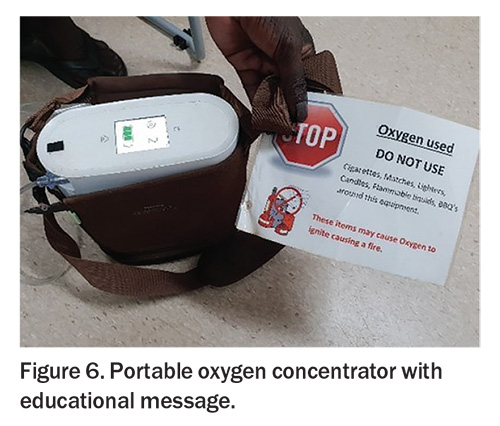
Previous studies have demonstrated the benefits and feasibility of providing domiciliary oxygen therapy (DOT)/LTOT in adult Aboriginal patients.66 Hence, the need for and benefits of DOT/LTOT should be assessed and facilitated in symptomatic patients, regardless of residential locality. However, patients’ and family members’ acceptance, housing conditions, electricity access and cultural beliefs should be respected and considered. Patients must have ceased smoking completely for at least four weeks prior to prescribing DOT/LTOT. Furthermore, household member smoking must be addressed. There is a significant risk of fires associated with smoking while using DOT/LTOT. Patients should be made aware of the dangers of using home oxygen in the presence of any naked flame, such as cooking fire. Oxygen cylinders should be positioned at least 1.5 m away from naked flames, heat sources and electrical devices. Patients need to be reviewed at least once a year and any issues associated with home oxygen use must be addressed.67 In addition to advocating smoking cessation, a written education plan (ideally in the patient’s primary language) should be given to patients when prescribing DOT/LTOT. Portable oxygen concentrators can be considered for patients requiring ambulatory oxygen therapy, which can help with patients’ mobility and independence (Figure 6). The following criteria and eligibility must be met for DOT/LTOT in patients with COPD:
- completely ceased smoking for more than four weeks
- resting partial pressure of oxygen in arterial blood (PaO2) 55 mmHg or lower on arterial blood gas testing
- peripheral oxgen saturation (SpO2) less than 88% at rest in a stable clinical condition
- resting PaO2 lower than 60 mmHg on arterial blood gas testing or SpO2 less than 89% if there is evidence of cor pulmonale, right heart failure or polycythaemia (haematocrit >55%) while in a stable clinical condition
- SpO2 less than 88% on a 6MWT while in a stable clinical condition.
Vaccination
Aboriginal peoples’ personal and cultural beliefs should be respected regarding vaccinations. According to the Australian Immunisation Handbook, all people with chronic lung disease are recommended to receive appropriate vaccinations, including the pneumococcal conjugate vaccine and 23-valent polysaccharide vaccine.68 An annual influenza vaccine is also recommended, especially for people with chronic lung disease such as COPD.69 A single dose of the respiratory syncytial virus vaccine is recommended for all Aboriginal people aged over 60 years.70 Details of vaccine schedules are available in the Australian Immunisation Handbook.68-71
Other interventions and specialist referral
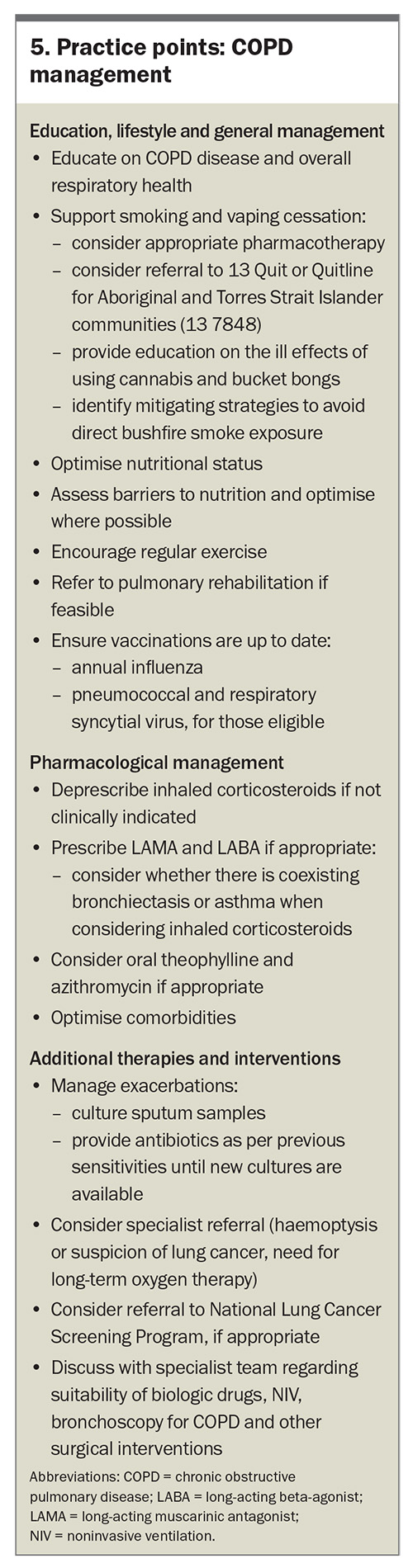
There is emerging evidence to suggest the potential effectiveness and safety of biologic agents in highly selected patients with COPD (anti-interleukin [IL]-5, anti-IL-5 receptor, anti-IL-4/13).72 In addition to the pharmacological management approaches mentioned above, carefully selected patients who may benefit from specialised interventions ranging from bronchoscopic procedures to surgical treatments, such as lung transplantation, should be referred for specialist consultation.73-75 An Australian study of endobronchial valves for severe emphysema showed improvements in lung function, reduced hyperinflation and improved exercise capacity, with comparable complication rates with international data.76 Endobronchial valve therapy is now recommended in the COPD-X Plan guidelines for selected patients with emphysema and gas trapping. Furthermore, in COPD patients with chronic hypercapnic respiratory failure, the use of long-term noninvasive ventilation could be considered.8 However, these services and interventions are currently available only in specialist centres in major metropolitan cities, limiting access for patients in rural and remote communities. It is premature to confidently recommend these interventions for Aboriginal people with advanced COPD because of the complexity of remoteness and access to ongoing specialist care and centres. Moreover, currently there are insufficient realistic data on the utility of these interventions in this population. Therefore, consultation with a local or nearest respiratory specialist or team is recommended. Practice points for COPD management are detailed in Box 5.
Conclusion
Chronic respiratory diseases impose a substantial burden on Aboriginal people, including significant economic consequences.77 Accordingly, accurate diagnosis and effective management delivered in a clinically and culturally safe way are essential.78-80 This article outlined a clinical approach to diagnosing and managing COPD in adult Aboriginal patients, with a particular emphasis on those living in rural and remote communities. The aim was to support clinicians by providing general guidance for managing COPD in resource-limited settings and by outlining strategies to optimise the use of available healthcare resources in remote and rural Australia. It is important to recognise the considerable heterogeneity among Aboriginal peoples with respect to sociodemographic factors, cultural beliefs and access to healthcare. Clinicians are encouraged to consider these factors when making clinical decisions, as the recommendations presented in this article may not be universally generalisable across all Aboriginal communities in Australia. RMT
The print version of this article can be accessed here.
COMPETING INTERESTS: None.
ACKNOWLEDGEMENTS: We thank Dr Timothy Howarth for editing and reviewing the manuscript. We extend our sincere appreciation to Professor Linda Ford (Northern Institute, Faculty of Arts & Society, Charles Darwin University, Darwin, NT), an Aboriginal Australian woman, Mak Mak Marranunggu descendent from the Delissaville, Wagait Larrakia Aboriginal Land Trust and the Gurudju Aboriginal Land Trust, NT, in reviewing the Aboriginal peoples’ context represented in this article. We are grateful to Ms Robyn Ordman, COPD Guidelines Manager, from Lung Foundation Australia in providing appropriate resources links that are represented in this paper.
References
1. World Health Organization (WHO). Chronic obstructive pulmonary disease (COPD). Geneva: WHO; 2024. Available online at: https://www.who.int/news-room/fact-sheets/detail/chronic-obstructive-pulmonary-disease-(copd) (accessed March 2026).
2. Australian Institute of Health and Welfare (AIHW). Australian Burden of Disease Study 2023. Canberra: AIHW; 2023. Available online at: https://www.aihw.gov.au/reports/burden-of-disease/australian-burden-of-disease-study-2023/contents/interactive-data-on-disease-burden/burden-of-disease-in-australia (accessed March 2026).
3. Zhou Y, Ampon MR, Abramson MJ, et al. Respiratory symptoms, disease burden, and quality of life in Australian adults according to GOLD spirometry grades: data from the BOLD Australia study. Int J Chron Obstruct Pulmon Dis 2023; 18: 2839-2847.
4. Australian Institute of Health and Welfare (AIHW). Aboriginal and Torres Strait Islander Health Performance Framework 2017 report - NT. Canberra: AIHW; 2017. Available online at: https://www.indigenoushpf.gov.au/publications/archive/hpf-2017-report-nt (accessed March 2026).
5. Kruavit A, Fox M, Pearson R, Heraganahally S. Chronic respiratory disease in the regional and remote population of the Northern Territory Top End: a perspective from the specialist respiratory outreach service. Aust J Rural Health 2017; 25: 275-284.
6. Heraganahally SS, Wasgewatta SL, McNamara K, et al. Chronic obstructive pulmonary disease in Aboriginal patients of the Northern Territory of Australia: a landscape perspective. Int J Chron Obstruct Pulmon Dis 2019; 14: 2205-2217.
7. Sze DFL, Howarth TP, Lake CD, Ben Saad H, Heraganahally SS. Differences in the spirometry parameters between Indigenous and non-Indigenous patients with COPD: a matched control study. Int J Chron Obstruct Pulmon Dis 2022; 17: 869-881.
8. Yang IA, George J, McDonald CF, et al. The COPD-X Plan: Australian and New Zealand guidelines for the management of chronic obstructive pulmonary disease 2025. Version 2.78. Published online 18 December 2025. Available online at: https://copdx.org.au/copd-x-plan/ (accessed March 2026).
9. Australian Bureau of Statistics (ABS). Australian Statistical Geography Standard (ASGS) Edition 3. Canberra: ABS; 2021. Available online at: https://www.abs.gov.au/statistics/standards/australian-statistical-geography-standard-asgs-edition-3/ latest-release (accessed March 2026).
10. Howarth TP, Jersmann HPA, Majoni SW, et al. The ‘ABC’ of respiratory disorders among adult Indigenous people: asthma, bronchiectasis and COPD among Aboriginal Australians - a systematic review. BMJ Open Respir Res 2023; 10: e001738.
11. Heraganahally SS, Howarth TP, Sorger L. Chest computed tomography findings among adult Indigenous Australians in the Northern Territory of Australia. J Med Imaging Radiat Oncol 2022; 66: 337-344.
12. Heraganahally SS, Wasgewatta SL, McNamara K, et al. Chronic obstructive pulmonary disease with and without bronchiectasis in Aboriginal Australians – a comparative study. Int Med J 2020; 50: 1505-1513.
13. Gibbs C, Howarth T, Ticoalu A, et al. Bronchiectasis among Indigenous adults in the Top End of the Northern Territory, 2011-2020: a retrospective cohort study. Med J Aust 2024; 220: 188-195.
14. Heraganahally SS, Howarth TP, Lloyd A, White E, Veale A, Ben Saad H. The prevalence of bronchodilator responsiveness "asthma" among adult Indigenous Australians referred for lung function testing in the Top End Northern Territory of Australia. J Asthma Allergy 2022; 15: 1305-1319.
15. Heraganahally SS, Howarth T, Chen W. A clinical approach to chronic respiratory disorders in Aboriginal and Torres Strait Islander in primary care. Aust J Gen Pract 2024; 53 (12 Suppl): S3-S9.
16. Heraganahally SS, Ghimire RH, Howarth T, Kankanamalage OM, Palmer D, Falhammar H. Comparison and outcomes of emergency department presentations with respiratory disorders among Australian Indigenous and non-Indigenous patients. BMC Emerg Med 2022: 22: 11.
17. Pal A, Howarth TP, Rissel C, et al. COPD disease knowledge, self-awareness and reasons for hospital presentations among a predominately Indigenous Australian cohort – a study to explore preventable hospitalization. BMJ Open Resp Res 2022; 9: e001295.
18. Seyedshahabedin MM, Howarth TP, Mo L, Biancardi E, Heraganahally SS. Flexible bronchoscopy indications and outcomes between Indigenous and non-Indigenous patients in the Northern Territory of Australia. Intern Med J 2023; 53: 1634-1641.
19. Heraganahally SS, Gibbs C, Ravichandran SJ, et al. Retrospective cross-sectional study on bronchiectasis in adult Aboriginal Australians: disease characteristics and comparison with ethnically diverse global bronchiectasis registry cohorts. BMJ Open Respir Res 2025; 12: e002139.
20. Heraganahally SS, Howarth T, Ford L, Sorger L. From ‘short wind’ to ‘good wind’: fighting chronic lung disease in Indigenous Australians. MJA Insight 2024; 10. Available online at: https://insightplus.mja.com.au/2024/10/from-short-wind-to-good-wind-fighting-chronic-lung-disease-in-indigenous-australians/ (accessed March 2026).
21. Queensland Health Statewide Respiratory Clinical Network, Asthma Foundation Northern Territory and Menzies School of Health Research. Educational resource – Adult Asthma Flipchart. Darwin; 2013. Available online at: http://www.healthinfonet.ecu.edu.au/uploads/resources/25117_25117.pdf (accessed March 2026).
22. Ivey MA, Smith SM, Benke G, et al. COPD in never-smokers: BOLD Australia study. Int J Chron Obstruct Pulmon Dis 2024; 19: 161-174.
23. Eisner MD, Anthonisen N, Coultas D, et al; Committee on Nonsmoking COPD, Environmental and Occupational Health Assembly. An official American Thoracic Society public policy statement: novel risk factors and the global burden of chronic obstructive pulmonary disease. Am J Respir Crit Care Med 2010; 182: 693-718.
24. Agustí A, Celli BR, Criner GJ, et al. Global Initiative for Chronic Obstructive Lung Disease 2023 report: GOLD executive summary. Eur Respir J 2023; 61: 2300239.
25. Jindal S, Jindal A. COPD in biomass exposed nonsmokers: a different phenotype. Expert Rev Respir Med 2021; 15: 51-58.
26. Ramírez-Venegas A, Torres-Duque CA, Guzmán-Bouilloud NE, González-García M, Sansores RH. Small airway disease in COPD associated to biomass exposure. Rev Invest Clin 2019; 71: 70-78.
27. Po JY, FitzGerald JM, Carlsten C. Respiratory disease associated with solid biomass fuel exposure in rural women and children: systematic review and meta-analysis. Thorax 2011; 66: 232-239.
28. Capistrano SJ, van Reyk D, Chen H, Oliver BG. Evidence of biomass smoke exposure as a causative factor for the development of COPD. Toxics 2017; 5: 36.
29. Yibarbuk D, Whitehead PJ, Russell-Smith J, et al. Fire ecology and Aboriginal land management in central Arnhem Land, northern Australia: a tradition of ecosystem management. J Biogeogr 2001; 28: 325-343.
30. Hanigan IC, Johnston FH, Morgan GG. Vegetation fire smoke, indigenous status and cardio-respiratory hospital admissions in Darwin, Australia, 1996-2005: a time-series study. Environ Health 2008; 7: 42.
31. Johnston FH, Bailie RS, Pilotto LS, Hanigan IC. Ambient biomass smoke and cardio-respiratory hospital admissions in Darwin, Australia. BMC Public Health 2007; 7: 240.
32. Nockles V, Hill E, Howarth TP, et al. Effects of environmental smoke exposure on respiratory conditions—a report of an Aboriginal man fire hunting for mud turtles in the Top End, Northern Territory of Australia. Am J Trop Med Hyg 2024; 111: 1373-1377.
33. Heraganahally SS, Monsi E, Gadil E, Maze D, Lynch S. Catastrophic effects of using cannabis via bucket bong in Top End Northern Territory of Australia. Am J Trop Med Hyg 2023; 109: 1199-1204.
34. MacLean SJ, d’Abbs PH. Petrol sniffing in Aboriginal communities: a review of interventions. Drug Alcohol Rev 2002; 21: 65-72.
35. Marel C, MacLean S, Midford R. Review of volatile substance use among Aboriginal and Torres Strait Islander people. Australian Indigenous HealthBulletin 2016; 16. Available online at: https://healthbulletin.org.au/articles/review-of-volatile-substance-use-among-aboriginal-and-torres-strait-islander-people/ (accessed March 2026).
36. Bui DS, Lodge CJ, Burgess JA, et al. Childhood predictors of lung function trajectories and future COPD risk: a prospective cohort study from the first to the sixth decade of life. Lancet Respir Med 2018; 6: 535-544.
37. Howarth T, Gahreman D, Ben Saad H, Ng L, Heraganahally SS. Correlation of spirometry indices to chest radiology in the diagnosis of chronic airway disease among regional and rural Indigenous Australians. Int Med J 2023; 53: 1994-2006.
38. Doss AX, Howarth TP, Ng L, Doss SA, Heraganahally SS. Significance and prognostication of mediastinal lymph node enlargement on chest computed tomography among adult Indigenous Australians. J Med Imaging Radiat Oncol 2023; 67: 726-733.
39. Mishra K, Fazal R, Howarth T, Mutai J, Doss AX, Heraganahally SS. Cystic lung disease in adult Indigenous Australians in the Northern Territory of Australia. J Med Imaging Radiat Oncol 2024; 68: 67-73.
40. Heraganahally SS, Howarth T, Gibbs C, Heraganahally S, Sorger L. Chest computed tomography findings among adult Aboriginal Australians with bronchiectasis in the Top End Northern Territory of Australia. J Med Imaging Radiat Oncol 2024; 68: 545-552.
41. Ng LY, Howarth TP, Doss AX, Charakidis M, Karanth NV, Mo L, Heraganahally SS. Significance of lung nodules detected on chest CT among adult Aboriginal Australians - a retrospective descriptive study. J Med Radiat Sci 2024; 71: 365-374.
42. Heraganahally SS, Silva SAMS, Howarth TP, Kangaharan N, Majoni SW. Comparison of clinical manifestation among Australian Indigenous and non‐ Indigenous patients presenting with pleural effusion. Int Med J 2022; 52: 1232-1241.
43. Heraganahally SS, Howarth T, White E, Sorger L, Biancardi E, Ben Saad H. Lung function parameters among Australian Aboriginal "Apparently Healthy" Adults: an Australian Caucasian and Global Lung Function Initiative (GLI-2012) various ethnic norms comparative study. Expert Rev Respir Med 2020; 23: 1-11.
44. Heraganahally SS, Howarth T, Sorger L, Ben Saad H. Sex differences in pulmonary function parameters among Indigenous Australians with and without chronic airway disease. PLoS One 2022; 17: e0263744.
45. Schubert J, Kruavit A, Mehra S, Wasgewatta S, Chang AB, Heraganahally S. Prevalence and nature of lung function abnormalities among Indigenous Australians referred to specialist respiratory outreach clinics in the Northern Territory. Int Med J 2019; 49: 217-224.
46. Heraganahally S, Howarth TP, White E, Ben Saad H. Implications of using the GLI-2012, GOLD and Australian COPD-X recommendations in assessing the severity of airflow limitation on spirometry among an Indigenous population with COPD: an Indigenous Australians perspective study. BMJ Open Respir Res 2021; 8: e001135.
47. Howarth T, Saad HB, Perez AJ, Atos CB, White E, Heraganahally SS. Comparison of diffusing capacity of carbon monoxide (DLCO) and total lung capacity (TLC) between Indigenous Australians and Australian Caucasian adults. PLoS One 2021; 16: e0248900.
48. Heraganahally SS, Howarth T, Mo L, Sorger L, Ben Saad H. Critical analysis of spirometric patterns in correlation to chest computed tomography among adult Indigenous Australians with chronic airway diseases. Expert Rev Respir Med 2021; 15: 1229-1238.
49. Heraganahally SS, Ponneri TR, Howarth TP, Saad HB. The effects of inhaled airway directed pharmacotherapy on decline in lung function parameters among Indigenous Australian adults with and without underlying airway disease. Int J Chron Obstruct Pulmon Dis 2021; 16: 2707-2720.
50. Heraganahally S, Howarth TP, Issac S, et al. Exploring the appropriateness of prescribing practice of inhaled pharmacotherapy among Aboriginal Australians in the Top End Northern Territory of Australia: a retrospective cohort study. BMJ Open Resp Res 2023; 10: e001508.
51. Gibbs C, Howarth T, Venkatesan S, Heraganahally SS, Abeyaratne A, Heraganahally SS. Sputum microbiology data and related clinical outcomes among adult Aboriginal Australians with bronchiectasis. Intern Med J 2025; 55: 784-794.
52. Matos Casano HA, Ahmed I, Anjum F. Six-minute walk test. [Updated 2025 Jul 7]. In: StatPearls [Internet]. Treasure Island (FL): StatPearls Publishing; 2025. Available online at: https://www.ncbi.nlm.nih.gov/books/NBK576420/ (accessed March 2026).
53. National Aboriginal Community Controlled Health Organisation and The Royal Australian College of General Practitioners. National guide to preventive healthcare for Aboriginal and Torres Strait Islander people: Recommendations. 4th edition. East Melbourne: RACGP; 2024.
54. Kennedy M, Longbottom H, Mersha A, et al. Which way? Indigenous-led smoking cessation care: knowledge, attitudes and practices of Aboriginal and Torres Strait Islander health workers and practitioners - a national cross-sectional survey. Nicotine Tob Res 2023; 25: 788-795.
55. Zwar NA. Smoking cessation. Aust J Gen Pract 2020; 49: 474-481.
56. Heraganahally SS, Gibbs C, Ravichandran SJ, Erdenebayar D, Abeyaratne A, Howarth T. Factors influencing survival and mortality among adult aboriginal Australians with bronchiectasis—ten-year retrospective study. Front Med 2024; 11: 1366037.
57. Meharg DP, Jenkins CR, Maguire GP, et al. Implementing evidence into practice to improve chronic lung disease management in Indigenous Australians: the breathe easy, walk easy, lungs for life (BE WELL) project (protocol). BMC Pulm Med 2022; 22: 239.
58. Meharg DP, Dennis SM, McNab J, et al. A mixed methods study of Aboriginal health workers’ and exercise physiologists’ experiences of co-designing chronic lung disease ‘yarning’ education resources. BMC Public Health 2023; 23: 612.
59. Mehra S, Chang AB, Lam CK, et al. Bronchiectasis among Australian Aboriginal and Non-Aboriginal patients in the regional and remote population of the Northern Territory of Australia. Rural Remote Health 2021; 21: 6390.
60. Barnes PJ. Theophylline. Am J Respir Crit Care Med 2013; 188: 901-906.
61. Yang Q, Tang P, Zhang X. Effects of additional oral theophylline with inhaled therapy in patients with stable chronic obstructive pulmonary disease: a systematic review and meta-analysis. PLoS One 2025; 20: e0321984.
62. Ford PA, Durham AL, Russell RE, Gordon F, Adcock IM, Barnes PJ. Treatment effects of low-dose theophylline combined with an inhaled corticosteroid in COPD. Chest 2010; 137: 1338-1344.
63. Montaño LM, Sommer B, Gomez-Verjan JC, et al. Theophylline: old drug in a new light, application in COVID-19 through computational studies. Int J Mol Sci 2022; 23: 4167.
64. Cuevas E, Huertas D, Montón C, et al. Systemic and functional effects of continuous azithromycin treatment in patients with severe chronic obstructive pulmonary disease and frequent exacerbations. Front Med (Lausanne) 2023; 10: 1229463.
65. Pace WD, Callen E, Gaona-Villarreal G, Shaikh A, Yawn BP. Adverse outcomes associated with inhaled corticosteroid use in individuals with chronic obstructive pulmonary disease. Ann Fam Med 2025; 23: 127-135.
66. Heraganahally SS, Mortimer N, Howarth T, et al. Utility and outcomes among Indigenous and non-Indigenous patients requiring domiciliary oxygen therapy in the regional and rural Australian population. Aust J Rural Health 2021; 29: 918-926.
67. Shebl E, Modi P, Cates TD. Home oxygen therapy. [Updated 2023 Jul 3]. In: StatPearls [Internet]. Treasure Island (FL): StatPearls Publishing; 2025. Available online at: https://www.ncbi.nlm.nih.gov/books/NBK532994/ (accessed March 2026).
68. Australian Immunisation Handbook. Pneumococcal disease. Canberra: Department of Health, Disability and Ageing; 2024. Available online at: https://immunisation handbook.health.gov.au/contents/vaccine-preventable-diseases/pneumococcal-disease (accessed March 2026).
69. Australian Immunisation Handbook. Influenza (flu) vaccine. Canberra: Department of Health, Disability and Ageing; 2024. Available online at: https://www.health.gov.au/topics/immunisation/vaccines/influenza-flu-vaccine (accessed March 2026).
70. Australian Immunisation Handbook. Respiratory syncytial virus (RSV). Canberra: Department of Health, Disability and Ageing; 2026. Available online at: https://immunisationhandbook.health.gov.au/contents/vaccine-preventable-diseases/respiratory-syncytial-virus-rsv (accessed March 2026).
71. Wiblin S, Feldman C, MacIntyre CR, Soulsby N, van Buynder P, Waterer G. Risk groups for vaccine-preventable respiratory infections in children and adults: an overview of the Australian environment. Vaccines 2025; 13: 1212.
72. Hu KC, Chuang MH, Lai CC, Liao KM. Meta-analysis of randomized, controlled trials assessing the effectiveness and safety of biological treatments in chronic obstructive pulmonary disease patients. Clin Ther 2025; 47: 226-234.
73. Browning RF, Parrish S, Sarkar S, et al. Bronchoscopic interventions for severe COPD. J Thorac Dis 2014; 6(Suppl 4): S407-S415.
74. DeMarco B, MacRosty CR. Bronchoscopic management of COPD and advances in therapy. Life (Basel) 2023; 13: 1036.
75. Lee M, Sharma S, Mora Carpio AL. Lung volume reduction surgery. [Updated 2024 Aug 11]. In: StatPearls [Internet]. Treasure Island (FL): StatPearls Publishing; 2025. Available online at: https://www.ncbi.nlm.nih.gov/books/NBK559329/ (accessed March 2026).
76. Brown MV, Badiei A, Jersmann H, et al. A 6-year experience of Zephyr endobronchial valves for severe emphysema in an Australian single-centre cohort. Intern Med J 2004; 54: 871-881.
77. Berhane T, Bayfield AL, Howarth T, et al. Clinical characteristics and economic costs of acute hospitalisations due to bronchiectasis exacerbations among adult Indigenous Australians. Int Med J 2005; 55: 526-529.
78. Heraganahally SS, Howarth T, Heraganahally S, et al. Turning the tide on bronchiectasis in adult Aboriginal Australians: from neglect to action. Int Med J 2025; 55: 1578-1582.
79. Meharg DP, Dennis SM, McNab J, et al. A qualitative study of Aboriginal peoples’ health care experiences with chronic obstructive pulmonary disease. Qualitative Health Research 2024; 0; 1-18.
80. Heraganahally SS, Howarth T, Chen W, et al. Advancing bronchiectasis care in adult Indigenous people – an Australian rural and remote perspective. Curr Pulmonol Rep 2025; 14: 29.
Single article purchases are temporarily unavailable due to site maintenance.
If you would like to purchase an article during this time, please email us at [email protected] with the article details and we'll assist you directly. We'll also let you know when online purchasing is available again.
Thank you for your patience and understanding.